
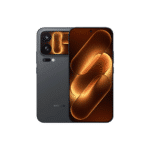
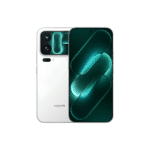
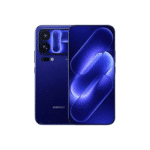
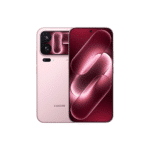
Xiaomi 18 Pro Max
Xiaomi 18 Pro Max Key Features
Brand: Xiaomi
Release Date: 23 September 2026
Price in Kenya: KSh 182,000
Display: 6.9-inch LTPO AMOLED, 1208 x 2624, 120Hz, 68 billion colours, Dolby Vision, HDR10+, HDR Vivid, 4,000 nits peak, 2,160Hz PWM; 2.9-inch rear AMOLED, 120Hz
Protection: Xiaomi Dragon Crystal Glass 3
Processor: Qualcomm Snapdragon 8 Elite Extreme Gen 6 (2nm), octa-core up to 5.01GHz, Adreno 850 GPU
RAM: 12GB or 16GB
Storage: 256GB, 512GB or 1TB (UFS 4.1); no card slot
Rear Camera: 200MP f/1.7 main (1/1.28″, OIS) + 200MP f/2.4 3.2x periscope telephoto (1/1.56″, OIS, macro from 10cm) + 50MP f/2.4 ultrawide (102°); Leica lenses, laser AF, colour spectrum sensor
Front Camera: 50MP f/2.2 with PDAF
Video Recording: 8K at 30fps HDR; 4K at up to 120fps with 10-bit Dolby Vision and LOG; 1080p at up to 960fps; 720p at 1,920fps; front 4K at 60fps
Battery: 8,500mAh silicon-carbon (Si/C)
Charging: 100W wired (PD 3.0, QC3+, 100W PPS), 50W wireless, 27W reverse wireless
Connectivity: 5G, dual Nano-SIM, Wi-Fi 7, Bluetooth 6.0 (aptX HD, aptX Adaptive, LHDC 5), dual-frequency GPS, NFC, infrared, Ultra Wideband, USB-C 3.2 with DisplayPort
Audio: Three speakers (stereo) with Dolby Atmos, 24-bit/192kHz Hi-Res and Hi-Res wireless, Snapdragon Sound; no 3.5mm jack
Build: Glass front, aluminium frame
Water & Dust Resistance: IP68 (immersible to 6m for 30 minutes)
Dimensions & Weight: 163.4 x 77.6 x 8.4mm; 235g or 240g
Operating System: Android 17, HyperOS 4
Security: Under-display ultrasonic fingerprint sensor
KSh 215,000 Original price was: KSh 215,000.KSh 182,000Current price is: KSh 182,000.
Warranty: Registered by the buyer with the manufacturer. Need help? Message us and we'll guide you.
Specs: Xiaomi 18 Pro Max details checked against official data (17th November 2026). Spotted something off? Tell us on WhatsApp or call 0728 270 084.

Cash on Delivery within Nairobi
Pay on Order outside Nairobi
Xiaomi 18 Pro Max Price in Kenya, Full Specifications and Review (2026)
The Xiaomi 18 Pro Max price in Kenya is KSh 182,000. Announced and released on 23 September 2026, it’s Xiaomi’s most powerful phone yet and one of the most ambitious flagships of the year. It comes in 12GB/256GB, 12GB/512GB, 16GB/512GB and 16GB/1TB configurations. It runs Qualcomm’s Snapdragon 8 Elite Extreme Gen 6 on a 2nm process, with a prime core clocked at 5.01GHz. A huge 8,500mAh silicon-carbon battery supports 100W wired, 50W wireless and 27W reverse wireless charging. The camera system pairs two 200MP sensors, a large main camera and a 3.2x periscope telephoto, both with OIS and Leica optics, with a 50MP ultrawide and a 50MP autofocus selfie camera. The front display is a 6.9-inch LTPO AMOLED with 4,000 nits peak, and a 2.9-inch AMOLED screen sits on the back.
The 18 Pro Max is built for buyers who don’t want to choose between performance, camera quality and battery life. Most flagships make you compromise: the fastest phones often have average batteries, and the best camera phones are often heavy and slow to charge. Xiaomi has tried to remove those trade-offs. The 8,500mAh battery is about 70% larger than the 5,000mAh found in most flagships. The 100W wired charging works with standard USB PD and PPS chargers, not just Xiaomi’s own. And the rear display lets you take selfies and vlogs with the far superior rear cameras, a genuinely useful feature for content creators.
There are trade-offs to weigh. At 235–240g, the 18 Pro Max is heavy. Its front display resolution is lower than the QHD+ panels on some rivals. Xiaomi hasn’t published a software update commitment for this model. And at KSh 182,000, it sits at the very top of the Android market. Buyers should also confirm they’re getting a global unit with Google Play services, since China-market versions ship without them.
The comparison at Phonesstore Kenya is the Samsung Galaxy S26 Ultra, priced from KSh 126,000 to KSh 186,000. The S26 Ultra offers the S Pen, a sharper QHD+ display, a lighter body and long-term software support with official local service. The Xiaomi 18 Pro Max counters with a newer and faster chip, a much larger battery, faster wired and wireless charging, a 200MP periscope telephoto with macro capability and a rear display.
You can buy the Xiaomi 18 Pro Max from Phonesstore Kenya, where it is available with competitive pricing and nationwide delivery across Kenya.
Xiaomi 18 Pro Max Full Specifications
Launch
| Feature | Specification |
|---|---|
| Announced | 23 September 2026 |
| Released | 23 September 2026 |
| Model | 2611FPNFAG |
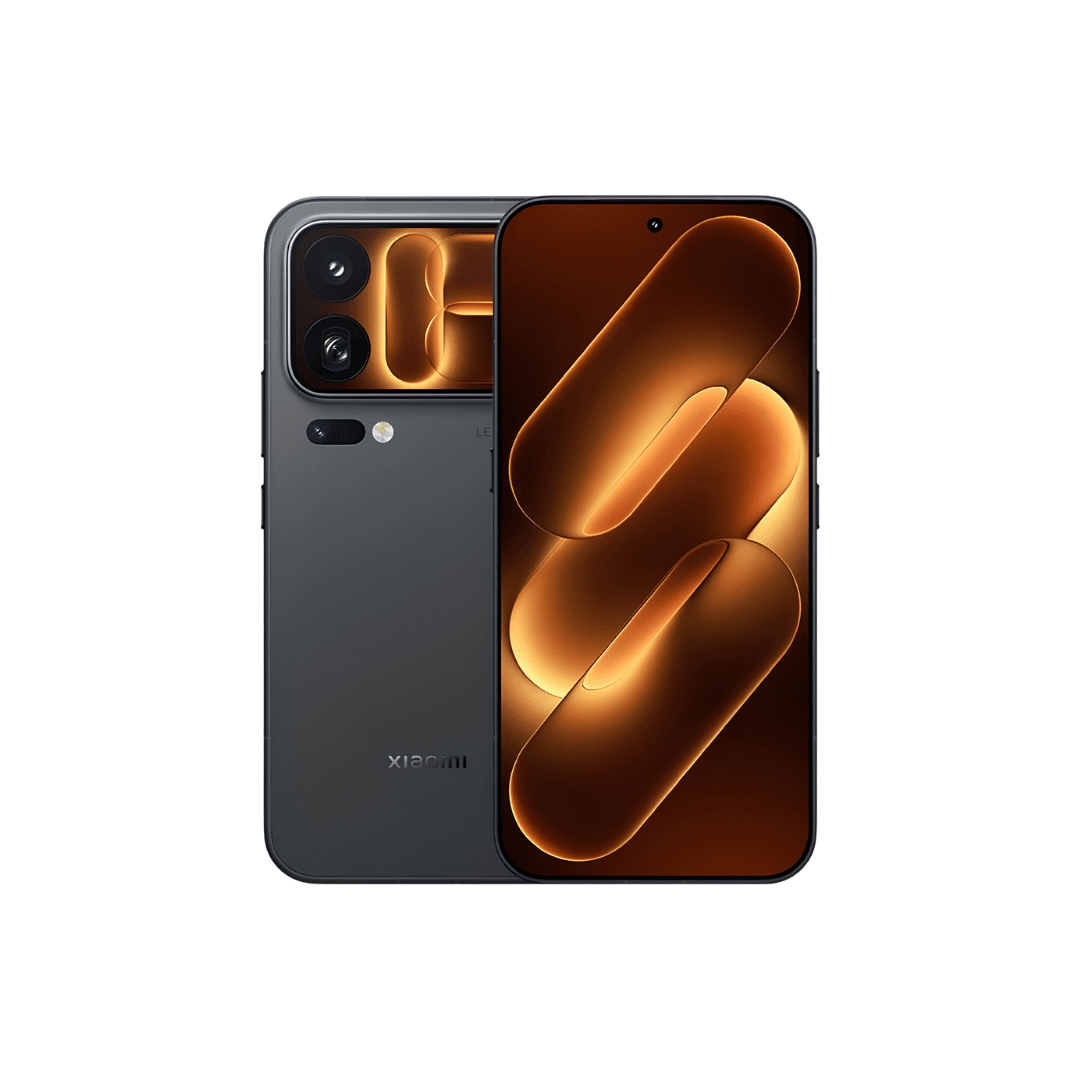
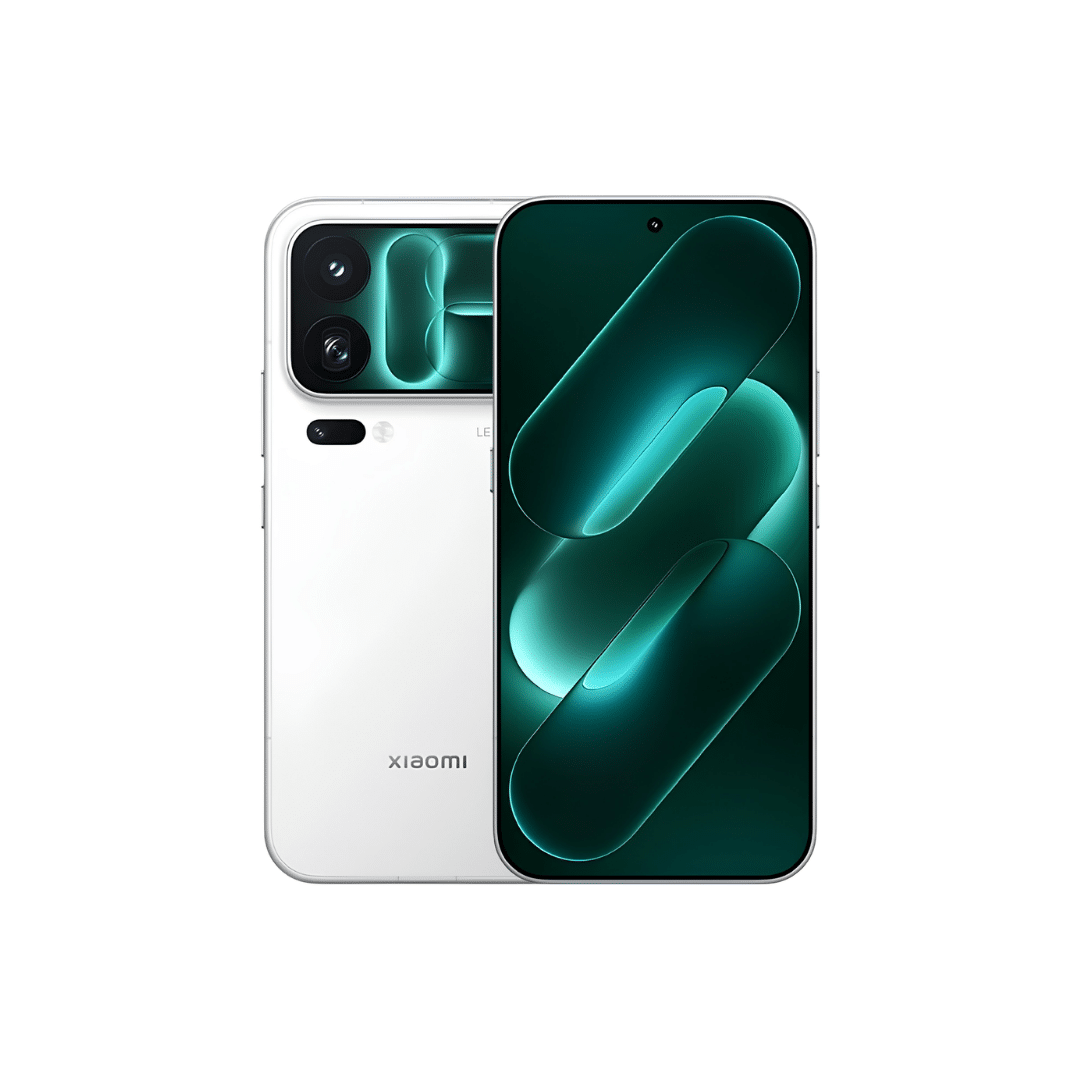
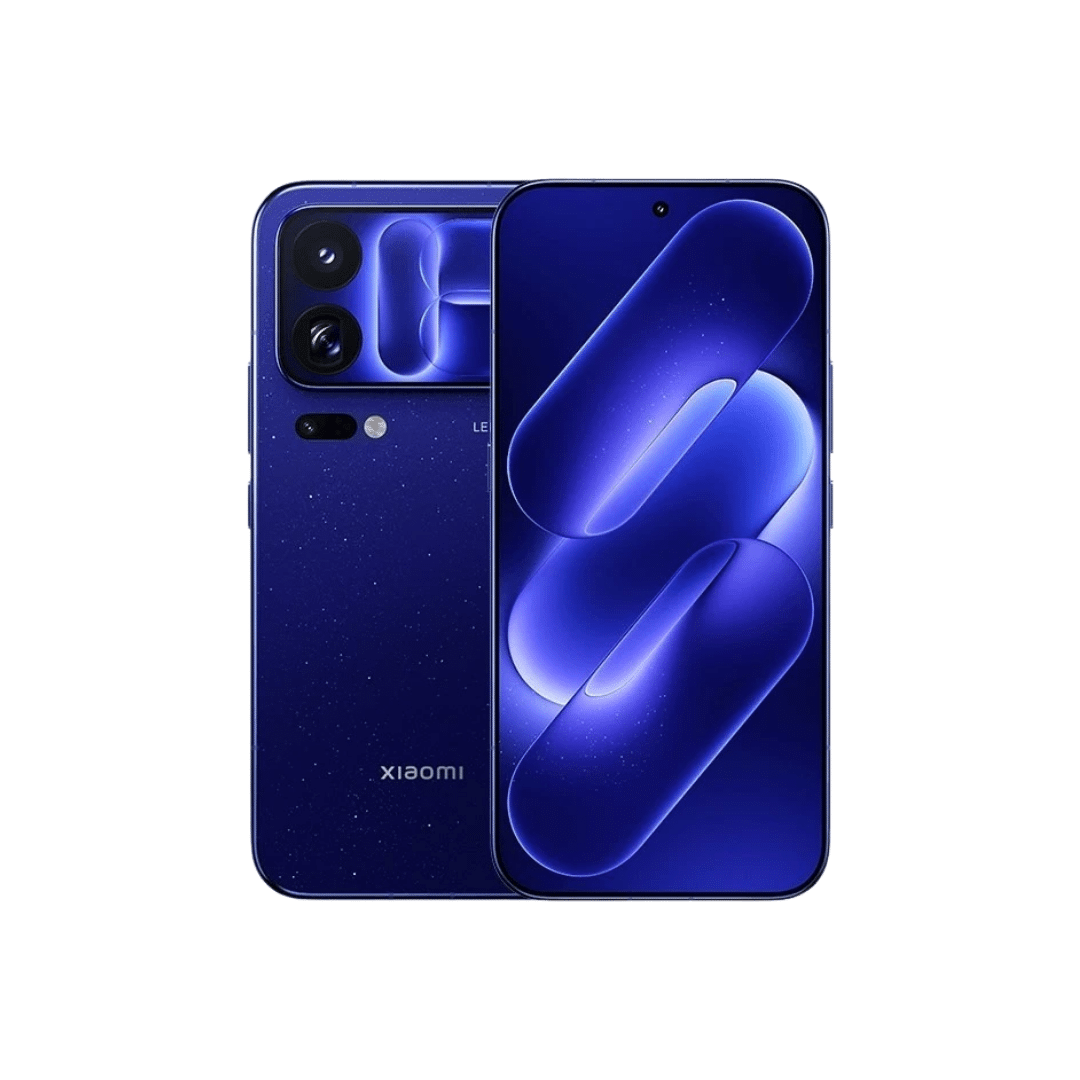
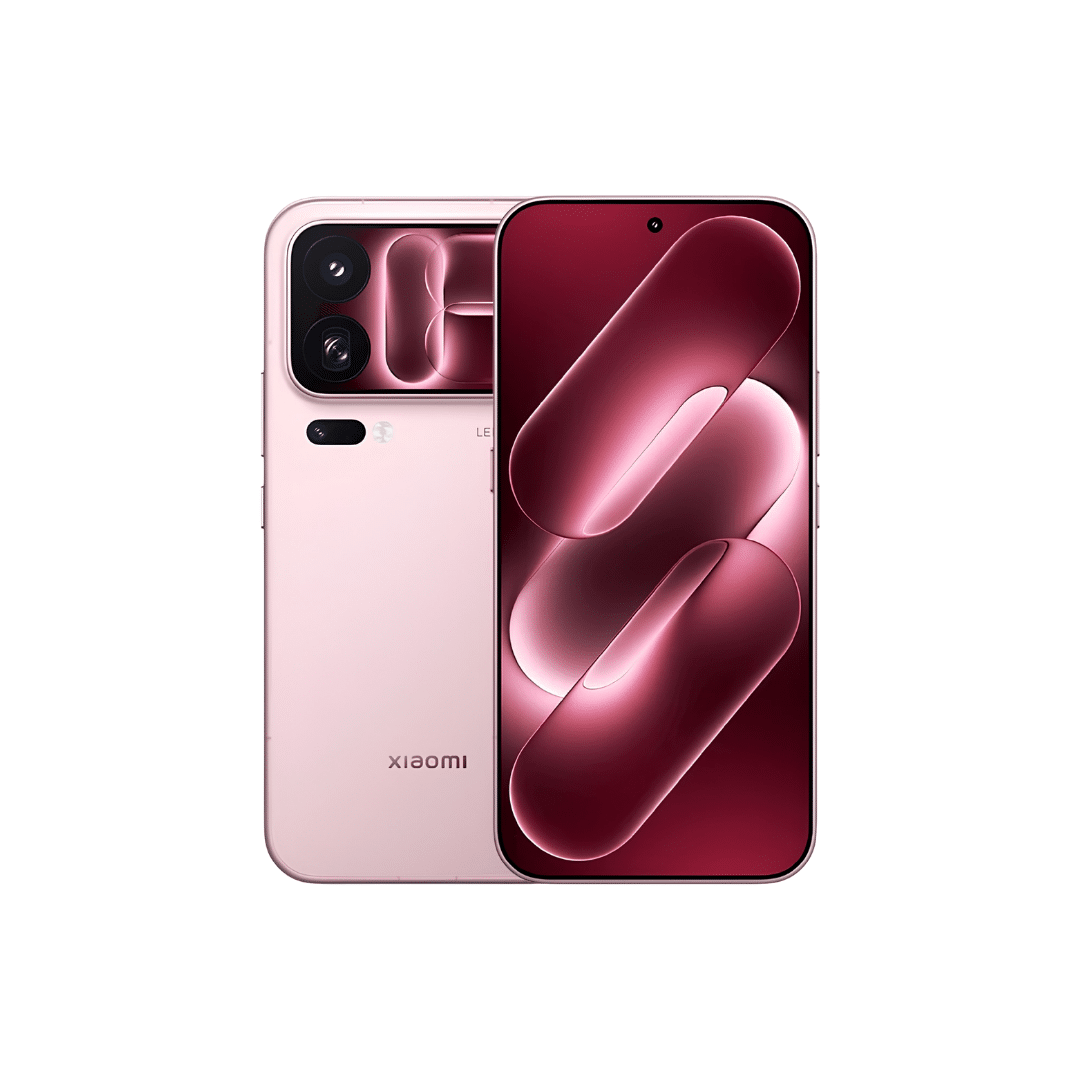
| Colours | Black, White, Pink, Red, Blue |
Body
| Feature | Specification |
|---|---|
| Dimensions | 163.4 x 77.6 x 8.4mm |
| Weight | 235g or 240g |
| Build | Glass front (Dragon Crystal Glass 3), aluminium frame |
| SIM | Dual Nano-SIM |
| Water and Dust | IP68 (immersible to 6m for 30 minutes) |
Display
| Feature | Specification |
|---|---|
| Main Display | 6.9″ LTPO AMOLED, 1208 x 2624 (~418 ppi), 120Hz |
| Colour | 68 billion colours, BT.2020 |
| HDR | Dolby Vision, HDR10+, HDR Vivid |
| Peak Brightness | 4,000 nits |
| PWM Dimming | 2,160Hz |
| Protection | Xiaomi Dragon Crystal Glass 3 |
| Rear Display | 2.9″ LTPO AMOLED, 596 x 976, 120Hz, 4,000 nits peak |
Platform
| Feature | Specification |
|---|---|
| OS | Android 17, HyperOS 4 |
| Chipset | Qualcomm SM8975 Snapdragon 8 Elite Extreme Gen 6 (2nm) |
| CPU | Octa-core (2x 5.01GHz + 3x 4.03GHz + 3x 3.74GHz) |
| GPU | Adreno 850 |
Memory
| Feature | Specification |
|---|---|
| Variants | 12GB/256GB, 12GB/512GB, 16GB/512GB, 16GB/1TB |
| Storage Type | UFS 4.1 |
| Card Slot | No |
Main Camera
| Feature | Specification |
|---|---|
| Wide | 200MP, f/1.7, 23mm, 1/1.28″, dual pixel PDAF, OIS |
| Periscope Telephoto | 200MP, f/2.4, 75mm, 1/1.56″, PDAF (10cm to ∞), OIS, 3.2x optical |
| Ultrawide | 50MP, f/2.4, 17mm, 102°, 1/2.88″ |
| Features | Laser AF, colour spectrum sensor, Leica lenses, dual-LED dual-tone flash |
| Video | 8K at 30fps (HDR); 4K at 30/60/120fps (10-bit Dolby Vision, 10-bit LOG); 1080p at up to 960fps; 720p at 1,920fps; gyro-EIS |
Selfie Camera
| Feature | Specification |
|---|---|
| Sensor | 50MP, f/2.2, 21mm, PDAF |
| Video | 4K at 30/60fps; 1080p at 30/60fps; HDR10+; gyro-EIS |
Sound
| Feature | Specification |
|---|---|
| Speakers | Three speakers (stereo), Dolby Atmos |
| Audio | 24-bit/192kHz Hi-Res, Hi-Res wireless, Snapdragon Sound |
| 3.5mm Jack | No |
Connectivity
| Feature | Specification |
|---|---|
| Network | GSM / HSPA / LTE / 5G |
| Wi-Fi | Wi-Fi 7, dual-band |
| Bluetooth | 6.0, aptX HD, aptX Adaptive, LHDC 5 |
| Positioning | GPS (L1+L5), BDS, Galileo, QZSS, NavIC, GLONASS |
| NFC / Infrared / UWB | Yes / Yes / Yes |
| USB | USB-C 3.2, DisplayPort, OTG |
| FM Radio | No |
Sensors
| Feature | Specification |
|---|---|
| Fingerprint | Under display, ultrasonic |
| Others | Accelerometer, proximity, gyro, compass, barometer |
Battery
| Feature | Specification |
|---|---|
| Capacity | 8,500mAh (Si/C) |
| Wired Charging | 100W (PD 3.0, QC3+, 100W PPS) |
| Wireless Charging | 50W |
| Reverse Wireless | 27W |
Price
| Feature | Specification |
|---|---|
| Price in Kenya | KSh 182,000 |
Design and Build
The 18 Pro Max is a big, heavy phone, and it makes no attempt to hide it. It measures 163.4 x 77.6 x 8.4mm and weighs 235g or 240g depending on the finish, 20–25g more than the Galaxy S26 Ultra. Most of that weight comes from three things: the 8,500mAh battery, a camera module housing two 200MP sensors and a periscope lens, and the rear display. In two hands, the phone feels solid and premium. In one hand, during long scrolling or video calls, the weight becomes noticeable. Anyone coming from a lighter phone should try one in person before buying.
At 8.4mm, the phone is surprisingly slim given its battery. Silicon-carbon battery technology makes that possible. It mixes silicon into the battery’s anode, which stores considerably more energy in the same space than the graphite used in conventional lithium-ion cells. A few years ago, an 8,500mAh battery would have meant a thick, rugged-style phone. Here, it fits inside a mainstream flagship body.
The frame is aluminium, giving the phone rigidity and a cool, premium feel. The front is covered with Xiaomi’s own Dragon Crystal Glass 3, a toughened glass designed to resist drops and scratches. No phone glass is scratch-proof, though: sand and grit contain minerals harder than glass, so a screen protector is still worthwhile, especially for anyone who keeps the phone in a pocket with keys. Given the price, a protective case is strongly recommended.
The 18 Pro Max is rated IP68 and immersible to 6 metres for 30 minutes, four times deeper than the 1.5-metre rating most flagships carry. Heavy rain, drops in a pool and a day at the beach are well within its limits. Water resistance relies on seals that can weaken with age, heat and drops, and warranties rarely cover water damage, so treat the rating as protection against accidents rather than an invitation to swim with the phone. Rinsing it with fresh water after sea exposure at Diani, Watamu or Malindi helps protect the seals from salt.
The phone comes in Black, White, Pink, Red and Blue, a wider range than many flagships, which tend to stick to muted tones.
Display
The main display is a 6.9-inch LTPO AMOLED panel covering about 91.6% of the front. LTPO technology lets the refresh rate adjust continuously: it runs at a smooth 120Hz when scrolling or gaming and drops very low for static content and the always-on display. That gives you smoothness when it matters and saves battery when it doesn’t.
The panel supports 68 billion colours, a 12-bit colour depth far beyond the 1 billion colours (10-bit) of most premium phones. In practice, that means smoother gradients in skies, sunsets and shadows, with no visible banding. It supports all three major HDR formats, Dolby Vision, HDR10+ and HDR Vivid, along with wide BT.2020 colour coverage. Netflix, YouTube and other streaming apps show HDR content with vivid highlights and deep, detailed shadows.
Peak brightness reaches 4,000 nits, among the highest on any phone. Peak figures apply to small HDR highlights rather than the full screen, but a panel this bright is easily readable in direct midday sun. That matters when checking maps while driving, shooting photos outdoors or reading messages at an open-air bus stage.
One of the display’s most valuable features is its 2,160Hz PWM dimming. AMOLED screens control brightness by rapidly switching the panel on and off, and at low brightness, slow switching can cause eye strain and headaches for sensitive users. The 18 Pro Max switches so quickly that it’s far less likely to cause discomfort. That makes it a strong choice for people who read on their phone at night or have had trouble with other AMOLED screens.
The trade-off is resolution. At 1208 x 2624, the panel works out to about 418 pixels per inch. That’s sharp at normal viewing distances, but below the QHD+ resolution of the Galaxy S26 Ultra. Side by side, the Samsung looks slightly crisper in very fine text. Most people won’t notice in everyday use, and the lower resolution helps battery life.
The Rear Display
The 2.9-inch rear AMOLED is the 18 Pro Max’s most distinctive feature, and it’s more useful than it might first appear. It’s a fully capable screen: LTPO, 120Hz, Dolby Vision support and 4,000 nits peak, at a resolution of 596 x 976.
Its most important job is selfies and vlogging with the main cameras. Front cameras on every phone are weaker than rear cameras, with smaller sensors and simpler lenses. With the rear display as a viewfinder, you can frame yourself using the 200MP main camera for sharper selfies, or the ultrawide for group shots, and the quality difference is substantial. For content creators recording TikToks, Reels and YouTube videos, it’s a real upgrade.
The rear screen also shows the time, notifications, incoming calls and widgets, such as music controls, weather and timers, without picking up and turning over the phone. When you photograph someone with the rear cameras, they can see how they look on the rear screen before you take the shot. The rear display uses some battery, but its LTPO panel lowers its refresh rate when idle to limit the impact.
Performance
The 18 Pro Max runs on Qualcomm’s Snapdragon 8 Elite Extreme Gen 6, built on an advanced 2nm process. Its octa-core CPU has two prime cores clocked at 5.01GHz, three performance cores at 4.03GHz and three at 3.74GHz. Unusually, there are no traditional low-power efficiency cores. The GPU is the Adreno 850. “Extreme” marks this as a higher-clocked version of Qualcomm’s flagship chip, and it makes the 18 Pro Max one of the fastest Android phones available.
In everyday use, everything feels instant. Apps open immediately, switching between many apps is seamless, and with 12GB or 16GB of RAM, apps stay open in the background without reloading. Photo and video editing, large file transfers and AI features are fast. Just as importantly, the phone has far more performance headroom than most people need today. As apps and Android updates become more demanding over the coming years, the 18 Pro Max will stay fast long after mid-range phones start to feel slow.
Gaming is where the chip shines. The Adreno 850 runs the most demanding mobile games, including Genshin Impact, Honkai: Star Rail, Call of Duty Mobile and PUBG Mobile, at maximum settings with high, stable frame rates. Combined with the 120Hz display and the huge battery, it’s one of the best phones available for long gaming sessions. Every flagship warms up under sustained heavy load, and Xiaomi doesn’t detail the cooling system in its specifications, so serious gamers may want to check sustained-performance tests in reviews.
The 2nm process also improves efficiency. A more advanced manufacturing process means the chip does more work per unit of energy, which contributes to the phone’s strong battery life despite its very high clock speeds.
Memory and Storage
RAM comes in 12GB or 16GB, and storage in 256GB, 512GB or 1TB, all using UFS 4.1, the latest and fastest phone storage standard. UFS 4.1 matters on this phone in particular. It records 8K video and captures 200MP photos, both of which produce very large files, so fast storage means photos and videos save instantly, apps and games load quickly, and large file transfers don’t keep you waiting.
There’s no microSD slot, so storage can’t be expanded later, which makes choosing the right variant important. The 256GB model suits users who don’t shoot much video and rely on cloud storage. For most buyers, 512GB is the sweet spot, since 200MP photos and 4K and 8K video fill storage quickly. The 1TB model is for content creators and anyone who wants to keep a large photo, video or music library on the phone. 16GB of RAM is worth choosing for heavy gamers, serious multitaskers and buyers planning to keep the phone for many years.
Software and Updates
The 18 Pro Max runs Android 17 with HyperOS 4, Xiaomi’s custom interface. HyperOS is feature-rich and highly customisable, with extensive theming, gesture controls and AI tools for photo editing, writing and productivity. It integrates closely with Xiaomi’s ecosystem of tablets, wearables and smart home devices. Like most Xiaomi software, it may come with pre-installed apps and promotional suggestions; most can be uninstalled, and recommendations can be switched off in settings.
Buyers in Kenya should check one thing carefully: make sure the phone is a global unit. Xiaomi sells different software versions in different markets, and China-market units ship without Google Play services. That means no Play Store and no Google apps, and installing M-Pesa and banking apps becomes difficult. The model number listed for this phone (2611FPNFAG) indicates a global variant, but it’s worth confirming at purchase.
Xiaomi hasn’t published how many Android OS updates or years of security patches the 18 Pro Max will receive. Its recent flagships have generally received several years of support, but buyers comparing it with Samsung, which typically commits to around seven years on its flagships, should factor this into long-term value, especially if they keep phones for four years or more.
Cameras
Xiaomi’s flagship cameras are co-engineered with Leica, the German camera maker. Leica’s influence shows in the lens optics and in Xiaomi’s colour modes, such as Leica Authentic for natural tones and Leica Vibrant for punchier colour.
The 200MP main camera uses a large 1/1.28-inch sensor with a bright f/1.7 aperture, dual pixel autofocus and optical image stabilisation (OIS). Sensor size is one of the biggest factors in photo quality. A larger sensor captures more light, which means better detail, wider dynamic range and cleaner low-light photos. The sensor’s 200 million pixels are tiny, so for everyday shots the camera uses pixel binning, combining groups of pixels into larger effective pixels. That produces brighter, cleaner photos at a lower resolution, ideal for low light and social media. In good light, full 200MP mode captures enormous detail, letting you crop deeply or print large. OIS steadies the lens against hand shake, and laser autofocus helps the camera lock focus quickly in dim restaurants and at night.
The 200MP periscope telephoto is the camera system’s standout. A periscope design uses a prism to fit a longer lens sideways inside the phone, giving optical zoom without a thick camera bump. Its 75mm focal length equals about 3.2x optical zoom. Because the sensor has 200MP of resolution, the camera can crop into that image to deliver sharp results at much longer distances than its optical rating suggests. That makes it excellent for wildlife on safari in the Maasai Mara, Amboseli or Nairobi National Park, sports from the stands and distant architecture. With OIS, zoomed shots stay sharp even handheld. The telephoto also focuses from just 10cm, so it doubles as a high-quality macro camera for flowers, insects, food and textures, with natural background blur.
The 50MP ultrawide captures a wide 102-degree field of view, ideal for landscapes, groups, buildings and tight interiors. Its 50MP resolution is much higher than the 12MP ultrawides on many rivals, so wide shots stay sharp and detailed.
A colour spectrum sensor measures the colour of ambient light, helping the camera get white balance and skin tones right under mixed lighting, such as fluorescent office lights or warm household bulbs. A dual-LED, dual-tone flash produces more natural colours when the flash is needed.
The 50MP selfie camera has phase-detection autofocus, keeping selfies sharp at different distances. It’s one of the stronger front cameras available, though the rear display means many users will prefer the main cameras for their best selfies.
Video
The 18 Pro Max is a serious video tool. It records 8K at 30fps with HDR, giving maximum detail and room to crop in editing. At 4K, it records at up to 120fps in 10-bit Dolby Vision, producing vivid, high-contrast footage with smooth motion, and in 10-bit LOG. LOG is a flat colour profile that preserves maximum highlight and shadow detail for professional colour grading in software such as DaVinci Resolve or Premiere Pro. Slow motion goes up to 960fps at 1080p and 1,920fps at 720p, for dramatic super slow-motion clips. Gyro-EIS works alongside OIS to keep handheld footage smooth when walking or panning.
The front camera records 4K at up to 60fps with HDR10+ and stabilisation, among the best front-camera video specifications available, useful for vlogs and high-quality video calls. For YouTubers, filmmakers and content creators, the combination of 4K 120fps Dolby Vision, 10-bit LOG and the rear-screen viewfinder makes the 18 Pro Max a credible alternative to carrying a separate camera.
Audio
The 18 Pro Max uses three speakers in a stereo configuration, tuned with Dolby Atmos. Three speakers produce fuller, louder and more balanced sound than standard two-speaker setups, so films, music, games and speakerphone calls sound immersive without headphones.
For headphone users, the phone supports 24-bit/192kHz Hi-Res audio through a USB-C adapter, plus Hi-Res wireless audio. With Snapdragon Sound and support for aptX HD, aptX Adaptive and LHDC 5, compatible wireless earbuds and headphones get high-quality, low-latency audio, which suits music lovers and gamers alike. There’s no 3.5mm headphone jack and no FM radio, so wired headphones need a USB-C adapter and local stations need to be streamed online.
Battery Life and Charging
The 8,500mAh silicon-carbon battery is one of the largest ever fitted to a flagship phone, about 70% more capacity than the Galaxy S26 Ultra’s 5,000mAh. Xiaomi doesn’t publish an official endurance figure in the specifications. Combined with the efficient 2nm chip and LTPO displays, though, most users can realistically expect around two days of typical use, and heavy users who game, stream and shoot video should get through a long day with plenty to spare.
That changes how you use the phone. There’s no need to manage battery on long workdays, travel days or weekends away. It’s especially useful in Kenya during power cuts and on long journeys where charging is unreliable.
Charging is just as impressive, and more flexible than many rivals:
- 100W wired charging through USB Power Delivery (PD 3.0), Quick Charge 3+ and 100W PPS. Some phones only reach top speed with the manufacturer’s own charger, but the 18 Pro Max supports 100W over the standard PPS protocol. A quality third-party 100W PPS USB-C charger, including many laptop chargers, can charge it at full speed. Whether a charger is included in the box isn’t specified.
- 50W wireless charging, two to three times faster than the 15–25W wireless charging on most flagships, when used with a compatible Xiaomi wireless charger. Standard Qi chargers charge more slowly.
- 27W reverse wireless charging, which lets the phone charge earbuds, smartwatches or another phone placed on its back. At 27W, it’s far faster than the roughly 4.5W reverse wireless charging common on rival flagships. With 8,500mAh in reserve, the 18 Pro Max works as a genuine wireless power bank for a friend or family member.
Connectivity
The 18 Pro Max supports 5G, ready for Safaricom’s expanding 5G network, and takes two Nano-SIM cards, so you can run a Safaricom line for M-Pesa alongside an Airtel line for data. Anyone who specifically needs 5G should confirm band support for Kenyan networks with the store.
Wi-Fi 7 is the latest Wi-Fi standard, delivering faster speeds and better performance on crowded networks with compatible routers. Bluetooth 6.0 provides stable, efficient connections, with high-quality codec support for wireless audio.
Positioning uses dual-frequency GPS (L1+L5) alongside BDS, Galileo, QZSS, NavIC and GLONASS. Dual-frequency GPS is much more accurate in cities with tall buildings, where signals bounce and confuse standard GPS. That’s a real benefit for ride-hailing drivers, delivery riders and anyone navigating Nairobi’s CBD.
The phone also includes NFC for contactless payments with Google Wallet where supported and tap-to-pair accessories. An infrared blaster turns it into a universal remote for TVs, decoders and air conditioners, and Ultra Wideband (UWB) enables precise location of compatible item trackers. The USB-C 3.2 port transfers large 8K videos and 200MP photos to a computer quickly and supports DisplayPort output, so you can connect the phone to a monitor or TV for presentations, video playback or a desktop-style setup. The ultrasonic under-display fingerprint sensor is fast and accurate, and works better than optical sensors with slightly wet or dirty fingers.
Who Is the Xiaomi 18 Pro Max For?
Ideal for:
- Power users who want the fastest Android performance available
- Mobile gamers who play demanding titles at maximum settings for long sessions
- Photography enthusiasts who want dual 200MP Leica cameras and a long, macro-capable periscope zoom
- Content creators and filmmakers who need 8K, 4K 120fps Dolby Vision, 10-bit LOG and a rear selfie viewfinder
- Heavy users and travellers who want a two-day battery with fast wired and wireless charging
- Flicker-sensitive users who benefit from 2,160Hz PWM dimming
Not ideal for:
- Buyers who want a light, compact phone
- S Pen users who rely on stylus input
- Long-term owners who want a confirmed, extended update commitment
- Buyers who want the sharpest possible QHD+ display
- Budget-conscious buyers
Pros and Cons
The Xiaomi 18 Pro Max has genuine strengths at KSh 182,000. The Snapdragon 8 Elite Extreme Gen 6, on a 2nm process with a 5.01GHz prime core and Adreno 850 GPU, makes it one of the fastest Android phones available and an outstanding gaming phone. Its 8,500mAh silicon-carbon battery should deliver around two days of typical use. It charges at 100W wired with standard PD and PPS chargers, 50W wireless and 27W reverse wireless.
The camera system pairs a large 1/1.28-inch 200MP main sensor with a 200MP 3.2x periscope telephoto that crops far beyond its optical zoom and doubles as a macro lens. Both have OIS and Leica optics, alongside a sharp 50MP ultrawide and a 50MP autofocus selfie camera. Video is professional-grade, with 8K, 4K at 120fps in 10-bit Dolby Vision and LOG, and 960fps slow motion.
The displays are equally strong. The 6.9-inch LTPO AMOLED has 68 billion colours, Dolby Vision, 4,000 nits peak and flicker-friendly 2,160Hz PWM. The 2.9-inch rear display enables high-quality selfies with the main cameras. Elsewhere, it has IP68 to 6 metres, three speakers with Dolby Atmos and Hi-Res audio, Wi-Fi 7, Bluetooth 6.0, dual-frequency GPS, NFC, an IR blaster, UWB, USB-C 3.2 with DisplayPort and up to 1TB of UFS 4.1 storage.
Its main limitations are its weight, at 235–240g, and a front display resolution of about 418ppi, below the QHD+ panels on some rivals. Xiaomi hasn’t confirmed its software update policy. There’s no microSD slot, no 3.5mm headphone jack and no FM radio. Buyers must confirm a global unit with Google Play services, and charger inclusion isn’t specified. At KSh 182,000, it’s at the very top of the Android market.
Where to Buy Xiaomi 18 Pro Max in Kenya
You can buy the Xiaomi 18 Pro Max from Phonesstore Kenya, a trusted retailer for genuine smartphones in Kenya. Phonesstore Kenya offers competitive pricing, reliable service, and nationwide delivery, making it convenient to order from anywhere in the country.
Xiaomi 18 Pro Max vs Samsung Galaxy S26 Ultra
The Xiaomi 18 Pro Max, at KSh 182,000, and the Samsung Galaxy S26 Ultra, from KSh 126,000 to KSh 186,000, are two of the most powerful Android phones available. Both have 6.9-inch AMOLED displays, 200MP main cameras and flagship Snapdragon chips, but they prioritise different things.
The Xiaomi leads on raw power, battery and charging. Its Snapdragon 8 Elite Extreme Gen 6 is newer and higher-clocked than the S26 Ultra’s Snapdragon 8 Elite Gen 5 for Galaxy. Its 8,500mAh battery dwarfs the Samsung’s 5,000mAh, and it charges faster: 100W against 60W wired, plus 50W wireless and 27W reverse wireless. Its 200MP periscope telephoto offers high-detail zoom and macro capability, and its rear display enables selfies with the main cameras.
The Samsung leads on refinement and support. It includes the S Pen for note-taking, drawing and precise control. Its QHD+ display is sharper. It’s lighter (214g against 235–240g) and slimmer (7.9mm against 8.4mm). Samsung typically commits to around seven years of updates on its flagships and has an official service network in Kenya.
| Feature | Xiaomi 18 Pro Max | Samsung Galaxy S26 Ultra |
|---|---|---|
| Chipset | Snapdragon 8 Elite Extreme Gen 6 (2nm) | Snapdragon 8 Elite Gen 5 for Galaxy |
| Main Display | 6.9″ LTPO AMOLED, ~418ppi, 4,000 nits | 6.9″ QHD+ AMOLED |
| Rear Display | 2.9″ AMOLED | No |
| Main Camera | 200MP, 1/1.28″, OIS | 200MP |
| Telephoto | 200MP periscope, 3.2x, macro from 10cm | Multiple telephotos |
| Max Video | 8K at 30fps; 4K at 120fps Dolby Vision, LOG | 8K |
| Battery | 8,500mAh | 5,000mAh |
| Wired / Wireless Charging | 100W / 50W | 60W / wireless |
| Reverse Wireless | 27W | Yes, slower |
| S Pen | No | Yes |
| Weight / Thickness | 235–240g / 8.4mm | 214g / 7.9mm |
| Water and Dust | IP68 (6m) | IP68 |
| Updates | Not confirmed | Long-term |
| Price in Kenya | KSh 182,000 | KSh 126,000 – 186,000 |
Choose the Xiaomi 18 Pro Max for maximum performance, battery life, charging speed and camera versatility. Choose the Samsung Galaxy S26 Ultra for the S Pen, a sharper display, a lighter phone and long-term software support, potentially at a lower price depending on the variant.
Frequently Asked Questions
What is the Xiaomi 18 Pro Max price in Kenya?
The Xiaomi 18 Pro Max is priced at KSh 182,000 at Phonesstore Kenya. Confirm the RAM and storage variant when ordering.
How long does the 8,500mAh battery last?
Xiaomi doesn’t publish an official figure, but most users can expect around two days of typical use, and heavy users a long day with plenty to spare.
Can I charge it at 100W with a non-Xiaomi charger?
Yes. It supports 100W over the standard PPS protocol, so a quality 100W PPS USB-C charger, including many laptop chargers, charges it at full speed.
What is the rear display used for?
Mainly for taking selfies and vlogs with the 200MP rear cameras instead of the weaker front camera. It also shows notifications, the time and widgets without flipping the phone.
How far can the camera zoom?
It has 3.2x optical zoom, but the 200MP telephoto sensor lets you crop much further while staying sharp. That’s useful for wildlife, sports and distant subjects. It also shoots macro from 10cm.
Will M-Pesa and banking apps work?
Yes, on a global unit with Google Play services. China-market units ship without Google services, so confirm you’re buying a global version.
Is the display good for people who get eye strain?
Yes. Its 2,160Hz PWM dimming flickers much faster than most AMOLED screens, which makes it far less likely to cause discomfort.
Is it waterproof?
It’s rated IP68 and immersible to 6 metres for 30 minutes. Warranties usually exclude water damage, so rinse it after saltwater.
How many software updates will it get?
Xiaomi hasn’t published an official update commitment for the 18 Pro Max.
Should buyers choose the Xiaomi 18 Pro Max or the Samsung Galaxy S26 Ultra?
The Xiaomi suits buyers who want maximum performance, battery life and camera versatility. The Samsung Galaxy S26 Ultra, from KSh 126,000 at Phonesstore Kenya, suits buyers who want the S Pen, a lighter phone and long-term software support.
| Internal Storage | 16GB/1TB, 16GB/512GB |
|---|
You must be logged in to post a review.
Xiaomi is a global leader in smartphones, smart gadgets, and innovative accessories. At Phones Store Kenya, we bring you a wide range of genuine Xiaomi products, including smartphones, smartwatches, earbuds, and chargers, all designed for performance, style, and reliability.
Whether you’re upgrading to the latest Xiaomi phone, accessorizing with smart gadgets, or hunting for durable Xiaomi accessories, Phones Store Kenya ensures authentic products with fast delivery across Kenya.
Shop our Xiaomi collection today and experience cutting-edge technology at unbeatable prices, only at Phones Store Kenya.





Reviews
There are no reviews yet.