Redmi A7 4G Price in Kenya, Full Specifications and Review (2026)
The Redmi A7 4G price in Kenya is KSh 14,500 for the 3GB RAM, 64GB storage model, and it’s worth being upfront about something before going further: the source specification sheet for this phone is genuinely thin compared to typical GSMArena-style listings, no named chipset, no exact display resolution figure, no charging wattage, no confirmed dimensions or weight. Where information is missing rather than just summarized, this review says so directly rather than inventing plausible-sounding numbers to fill the gaps.
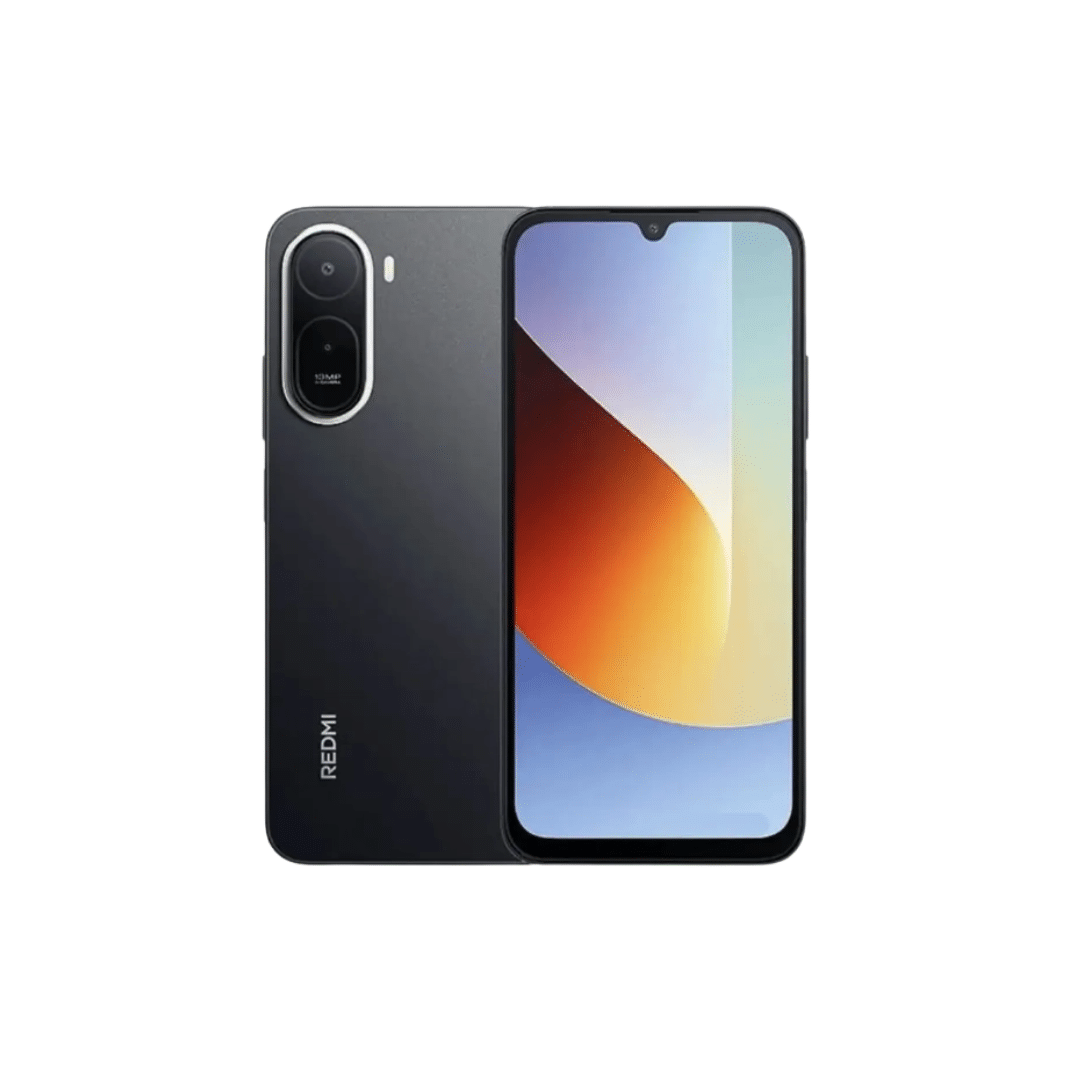
What is confirmed is a 6.88-inch display running at 120Hz, an unnamed octa-core processor paired with 3GB or 4GB of RAM, a 5200mAh battery, a 13MP AI-assisted rear camera, an 8MP front camera, a side-mounted fingerprint sensor with face unlock, and a retained 3.5mm headphone jack, all sitting inside Xiaomi’s “A” series, the tier explicitly positioned below the mainline Redmi Note lineup and built around one clear brief: maximize screen size and battery endurance, minimize price, and accept that performance and camera quality are not the point.
The 120Hz refresh rate is the one spec here that genuinely earns scrutiny, because it’s meaningfully rarer at this price than the marketing framing suggests. Most phones under KSh 15,000 in Kenya still ship 60Hz panels; 120Hz means the display refreshes twice as often per second, which translates concretely into smoother-looking motion when scrolling a feed or swiping between home screens, since each frame of motion has half the “jump” between it and the next compared to 60Hz. That’s a real, perceptible difference in daily use, not a marketing number that dissolves on contact with the actual product.
At KSh 14,500, the Redmi A7 4G sits close to the Redmi A3 Pro at KSh 11,500, also available at Phonesstore Kenya, with the A7’s 120Hz refresh rate as its clearest advantage, while the A3 Pro counters with a named, verifiable MediaTek Helio G81 Ultra chipset, up to 8GB of RAM, and a considerably higher-resolution 50MP main camera, at a marginally lower price.
You can buy the Redmi A7 4G from Phonesstore Kenya, where it is available with competitive pricing and nationwide delivery across Kenya.
Redmi A7 4G Full Specifications
Launch
| Feature |
Specification |
| Brand |
Xiaomi |
| Model |
Redmi A7 4G |
| Status |
In stock |
| Availability |
Available in Kenya from Phonesstore Kenya |
Display
| Feature |
Specification |
| Size |
6.88 inches |
| Refresh Rate |
120Hz |
| Resolution |
Not specified in source listing (expect HD+ based on segment convention) |
Platform
| Feature |
Specification |
| Network |
4G |
| Chipset |
Not named in source listing; octa-core |
Memory
| Feature |
Specification |
| RAM |
3GB / 4GB |
| Internal Storage |
64GB |
| Card Slot |
microSD |
Main Camera
| Feature |
Specification |
| Rear Camera |
13MP, AI-assisted |
Selfie Camera
| Feature |
Specification |
| Front Camera |
8MP |
Connectivity
| Feature |
Specification |
| SIM |
Dual SIM |
| Wi-Fi |
Yes |
| Bluetooth |
Yes |
| USB |
USB-C |
| Audio Jack |
3.5mm |
Sensors
| Feature |
Specification |
| Fingerprint |
Side-mounted |
| Face Unlock |
Yes |
Battery
| Feature |
Specification |
| Capacity |
5200mAh |
| Charging |
Not specified; described as “relatively slow” in source material |
Price
| Feature |
Specification |
| Price in Kenya |
KSh 14,500 (3GB/64GB) |
Design and Build Quality
Without confirmed dimensions or weight in the source specifications, it’s worth being honest that this section rests more on category convention than verified figures for this specific unit. Phones in this exact class, 6.85-6.9-inch displays with sub-4GB RAM configurations, typically land in the 190-210 gram range and 8-9mm thickness bracket, driven mostly by the physical size needed to house both the large display and a 5000mAh-plus battery. Buyers wanting exact figures should confirm directly with the seller before purchase.
What is confirmed and meaningful: the side-mounted fingerprint sensor paired with face unlock gives two independent unlock methods at a price where phones sometimes ship with only one, typically because a side-mounted capacitive sensor is considerably cheaper to implement than an under-display optical one, letting Xiaomi include biometric security without the cost premium a fancier sensor placement would add. Retaining the 3.5mm jack matters for a specific, practical reason beyond nostalgia: at this price point, the buyer is statistically less likely to already own a pair of Bluetooth earbuds, so a wired jack removes a real added cost (a separate dongle, or buying wireless earbuds) that pricier phones can assume away.
Display Quality
The genuinely important trade-off here is refresh rate versus resolution, and it’s worth explaining why manufacturers make this specific trade at this price rather than just noting that it happens. A 120Hz panel costs more to drive (more frames rendered per second means more GPU and battery work) than a 60Hz one, but a higher-resolution panel costs more to manufacture outright, regardless of refresh rate. Faced with a fixed cost budget, Xiaomi chose to spend on refresh rate rather than resolution, betting that “feels smooth while scrolling” registers more immediately with a budget buyer in a shop than “text looks slightly sharper,” a reasonable bet given how phones actually get evaluated in a five-minute in-store trial.
The practical consequence: everyday motion, scrolling a feed, swiping home screens, dragging a slider, will look and feel meaningfully smoother than on a 60Hz rival at the same price. But static content, reading a paragraph of text, viewing a detailed photo, will show more visible pixelation or softness than on a Full HD+ panel, since a lower pixel count is being stretched across the same 6.88-inch physical area. Neither trade-off is objectively wrong; it depends entirely on whether a buyer spends more time scrolling or more time reading fine detail.
Performance
With no named chipset in the source material, precise performance claims aren’t something this review can responsibly make; “octa-core” describes core count, not actual speed, since an octa-core chip built from eight weak, older-generation cores can be meaningfully slower than a quad-core chip built from four modern, efficient ones. What can be said with confidence is the RAM ceiling: at 3GB or 4GB, this phone sits at the very low end of what Android 14/Go-Edition-class software comfortably runs on. That RAM figure directly determines how many apps can stay open in the background simultaneously before the system starts killing them to free memory, meaning users who habitually switch between several apps (say, a browser, WhatsApp, and a banking app) should expect more frequent app reloads than on a phone with 6GB or more.
This is not a phone built for anything beyond its stated lane, calls, SMS, WhatsApp, light social media browsing, and basic camera use, and buyers should treat any use case beyond that (mobile banking apps with heavy background sync, multiple simultaneous social apps, any 3D gaming) as a genuine stretch rather than something to expect it handles gracefully.
Camera Performance
A 13MP rear sensor is a modest but not unusual specification at this price, and the “AI” descriptor here almost certainly refers to software-based scene detection and processing (adjusting exposure, saturation, or sharpening based on what the camera thinks it’s looking at, a sunset, a face, a document) rather than any dedicated AI processing hardware, since dedicated neural processing units are essentially unheard of at this price tier. That software processing can meaningfully improve photos in good, even lighting by nudging exposure and color in a generally pleasing direction, but it cannot compensate for the physical limitations of a small, modest sensor in genuinely challenging light, low-light photos will show visible noise and softness regardless of how much software processing is applied on top.
The 8MP front camera is adequate specifically for video calls and casual selfies viewed at typical phone-screen size, where the resolution ceiling rarely becomes visible; it will show its limitations if photos are viewed full-screen on a larger display or printed.
Battery Life
A 5200mAh capacity is genuinely above average even within the budget segment, where 5000mAh has become something closer to a baseline expectation rather than a differentiator. On a phone running a modest chipset, without power-hungry high-resolution gaming or demanding background processes competing for battery, that capacity should translate into a full day of typical light-to-moderate use, calls, messaging, browsing, some video, with real margin for lighter users to stretch it toward a day and a half.
The charging speed is described only as “relatively slow” in the source material without a specific wattage, but it’s reasonable to interpret that as sitting in the 10-18W range typical of this exact phone tier, where Xiaomi and its competitors routinely ship modest charging bricks to keep bill-of-materials costs down on ultra-budget devices. The practical implication: a full charge from empty will likely take two hours or more, meaningfully longer than the 30-45 minutes a 33W+ charger delivers on pricier phones, so buyers who need fast top-ups between short breaks should factor that in.
Who Is the Redmi A7 4G For?
Ideal for:
- Students and first-time smartphone users who want a large, comfortable display without a steep price
- Buyers who prioritize all-day battery capacity over charging speed
- Anyone who specifically values 120Hz smoothness in everyday scrolling over display sharpness
- Users who need a 3.5mm jack and don’t already own wireless earbuds
Not ideal for:
- Anyone running memory-hungry apps or multiple apps simultaneously, given the 3-4GB RAM ceiling
- Gamers, even casual 3D gamers, given the unspecified and likely modest chipset
- Photography-focused buyers who want detail retention in anything but good lighting
- Buyers who need fast charging for quick top-ups rather than long single-charge stretches
Pros and Cons
The Redmi A7 4G has genuine, well-defined strengths at KSh 14,500 for its specific lane. It delivers a large 6.88-inch display with a genuinely smooth 120Hz refresh rate (rare at this price), an above-average 5200mAh battery, dual biometric unlock via fingerprint and face recognition, expandable storage, and a retained 3.5mm headphone jack, at KSh 14,500.
Its main limitations are a resolution that trades sharpness for refresh rate smoothness, an unnamed chipset paired with a 3-4GB RAM ceiling that limits multitasking headroom, camera performance that depends heavily on good lighting to look presentable, charging speed that will likely mean two-plus hours for a full charge, and a source specification sheet that, notably, omits several figures (chipset name, exact resolution, charging wattage, weight, dimensions) that buyers may want to confirm directly with the seller before purchase.
Where to Buy Redmi A7 4G in Kenya
You can buy the Redmi A7 4G from Phonesstore Kenya, a trusted retailer for genuine Xiaomi smartphones in Kenya.
Phonesstore Kenya offers competitive pricing, reliable service, and nationwide delivery, making it convenient to order from anywhere in the country.
Xiaomi Redmi A7 4G vs Redmi A5 4G
Both are current Redmi “A” series phones available at Phonesstore Kenya at the exact same KSh 14,500 price, sharing an identical 6.88-inch display size, making this a genuinely direct, apples-to-apples comparison rather than a generational mismatch. The Redmi A5 4G has the clear edge on verifiable specifics: a named Unisoc T7250 chipset (a known, benchmarked quantity, unlike the A7’s unnamed processor), a considerably higher-resolution 32MP main camera against the A7’s 13MP, and a confirmed 15-18W charging speed against the A7’s unspecified, “relatively slow” charging. Both share the same 5200mAh battery capacity and 120Hz refresh rate, meaning the core screen-and-battery pitch is identical between them.
Frequently Asked Questions
What is the Redmi A7 4G price in Kenya?
The Redmi A7 4G price in Kenya is KSh 14,500 for the 3GB RAM, 64GB storage model. You can buy it from Phonesstore Kenya with nationwide delivery.
What chipset does the Redmi A7 4G use?
The manufacturer’s specification sheet describes only an “efficient octa-core processor” without naming the specific chipset model. Buyers who want a verifiable, benchmarked chipset should confirm the exact model with the seller or consider the Redmi A3 Pro, which uses the named MediaTek Helio G81 Ultra.
Why does the Redmi A7 4G have 120Hz but a modest resolution?
Manufacturers building to a fixed budget generally choose between spending on refresh rate or on resolution, not both. Xiaomi chose refresh rate here, betting that smoother scrolling is more immediately noticeable to buyers than sharper static text, a trade-off rather than an oversight.
How long does the Redmi A7 4G take to charge?
The exact charging wattage isn’t specified in available materials, but it’s described as relatively slow, likely in the 10-18W range typical for this phone tier, meaning a full charge from empty will probably take two hours or more.
Is the Redmi A7 4G good for multitasking?
Not particularly. With only 3GB or 4GB of RAM, background apps are more likely to be closed and reloaded when switching between several apps than on a phone with 6GB or more.
Does the Redmi A7 4G take good photos?
The 13MP rear camera with AI-assisted processing performs adequately in good, even lighting, where software processing can meaningfully improve exposure and color. In low light, expect visible noise and softness that software alone can’t fully correct.
Does the Redmi A7 4G support expandable storage?
Yes, via microSD, a meaningful addition given the modest 64GB of built-in storage.
Does the Redmi A7 4G have a headphone jack?
Yes, a 3.5mm jack is retained, letting buyers use wired headphones directly without needing a USB-C adapter or wireless earbuds.
SEO Meta Tags
Meta Description: Discover the Redmi A7 4G price in Kenya, 6.88-inch 120Hz display, 5200mAh battery, 13MP AI camera, dual biometric security, and where to buy from Phonesstore Kenya.









Reviews
There are no reviews yet.