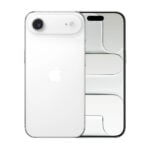
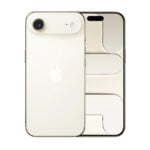
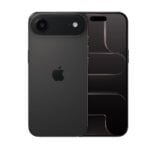
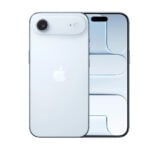
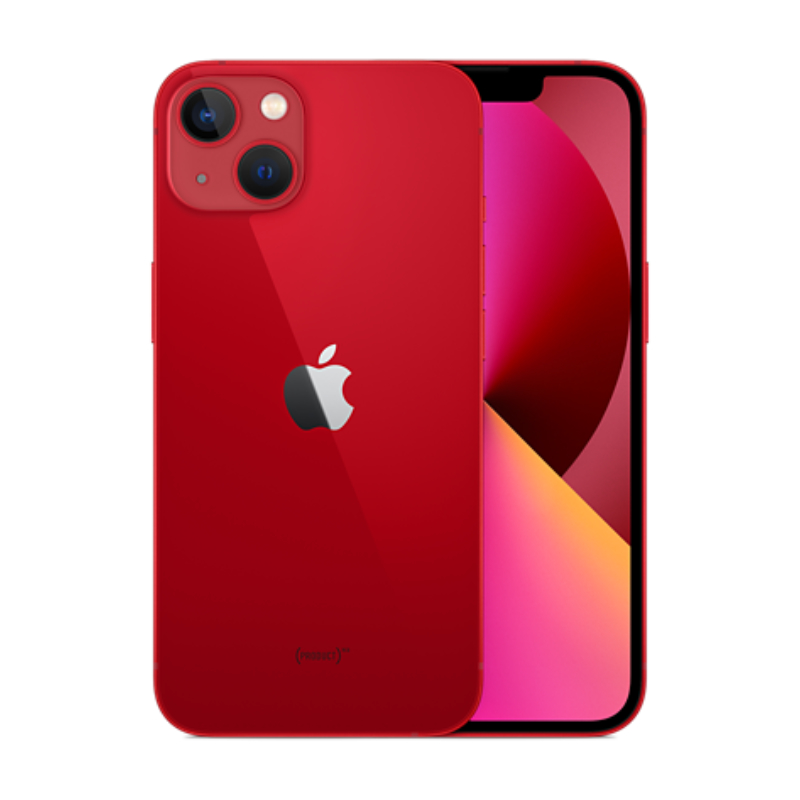
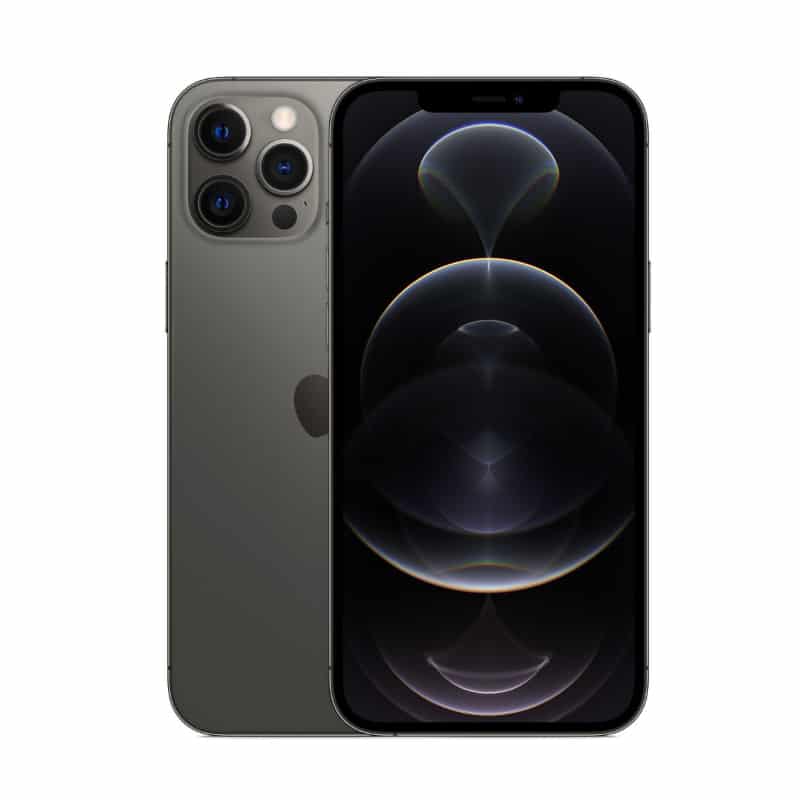
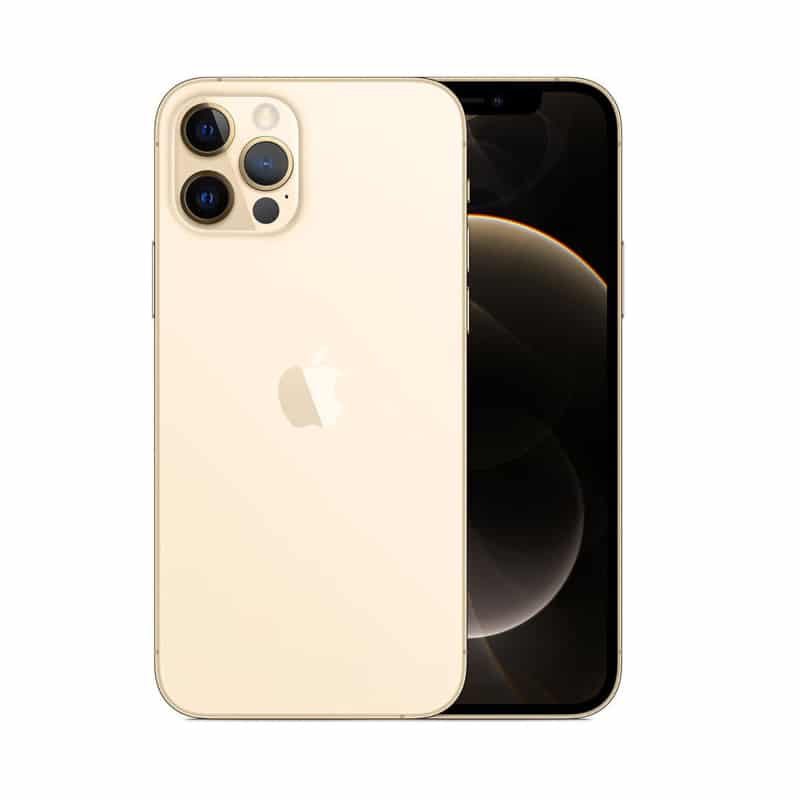
This phone is available on Lipa Mdogo Mdogo across Kenya. Choose a flexible payment plan with a manageable deposit and pay the balance in easy installments.
Not sure about the deposit, installment period, or eligibility? Call or WhatsApp us before checkout for quick clarification and approval. We’ll help you find the best lipa mdogo mdogo phone option that fits your budget.
KSh 123,500–KSh 170,000Price range: KSh 123,500 through KSh 170,000
NB: Warranty registration is the customer’s responsibility.
Disclaimer: We cannot guarantee that the product specifications information on this page is 100% correct.
Apple iPhone Air Price in Kenya, Full Specifications and Review (2026)
The Apple iPhone Air price in Kenya starts from KSh 121,500 for the 256GB eSIM-only variant, and it’s the iPhone that finally answers a question Apple watchers have been asking for years: what happens if you build an iPhone around thinness as the primary design brief rather than an afterthought. At 5.6mm thick and 165 grams, this is genuinely one of the thinnest phones Apple, or anyone else, has ever shipped, and it achieves that while still packing the Apple A19 Pro chip, a 6.5-inch LTPO Super Retina XDR display peaking at 3000 nits, IP68 water resistance rated to a full 6 metres, and Apple’s deepest satellite connectivity suite to date.
The engineering trade-offs required to hit 5.6mm are worth understanding rather than glossing over, because they explain almost everything unusual about this phone. There’s a single 48MP camera rather than the multi-lens systems found on the standard iPhone 17 and Pro models, a 3149mAh battery that’s genuinely small by current flagship standards, and eSIM-only connectivity with no physical SIM tray at all. Apple has clearly decided that all-day battery life and a triple-camera system were the acceptable casualties in service of making a phone that feels genuinely different in the hand, and independent testing backs that trade-off up honestly: a measured active use score of 12 hours 44 minutes and an EU Energy Label endurance rating of 40 hours confirm this is a phone that will need a midday top-up for heavier users, a real and known limitation rather than a hidden one.
Starting from KSh 121,500, the iPhone Air sits above the Apple iPhone 17 at KSh 122,500, also available at Phone Store Kenya, with the Air’s dramatically thinner titanium-framed body, larger 6.5-inch display, and A19 Pro chip as its main differentiators against the iPhone 17’s dual-camera system, larger 3692mAh battery, and physical SIM support in most markets.
You can buy the Apple iPhone Air from Phonesstore Kenya, where it is available with competitive pricing and nationwide delivery across Kenya.
Apple iPhone Air Full Specifications
Network
Feature
Specification
Technology
GSM / CDMA / HSPA / EVDO / LTE / 5G
Launch
Feature
Specification
Announced
2025, September 09
Status
Available. Released 2025, September 19
Body
Feature
Specification
Dimensions
156.2 x 74.7 x 5.6mm
Weight
165g
Build
Glass front (Ceramic Shield 2), titanium frame (grade 5), glass back (Ceramic Shield)
SIM
eSIM + eSIM, max 2 active
Water and Dust
IP68, immersible to 6m for 30 min
Display
Feature
Specification
Type
LTPO Super Retina XDR OLED, 120Hz, HDR10, Dolby Vision
The iPhone Air’s 5.6mm thickness is genuinely the entire point of this phone, and Apple has built everything else around achieving it. A grade 5 titanium frame provides the structural rigidity needed to keep such a thin body from feeling flimsy, while Ceramic Shield 2 on the front and standard Ceramic Shield on the back deliver genuinely strong scratch and drop resistance for glass this thin, backed by an anti-reflective coating that meaningfully cuts down on glare in bright outdoor conditions.
The IP68 rating here deserves specific attention because it’s rated for immersion up to 6 metres for 30 minutes, considerably deeper than the 1.5-metre rating on most competing flagships, giving the Air genuinely class-leading water resistance despite its ultra-thin profile. eSIM-only design, with support for up to 8 eSIMs and 2 active simultaneously, removes the physical SIM tray entirely, a design decision that both saves internal space for other components and eliminates a common point of water ingress, though it does mean buyers need a carrier that supports eSIM activation.
Display Quality
The 6.5-inch LTPO Super Retina XDR OLED panel, at 1260 x 2736 pixels and roughly 460 ppi, delivers genuinely excellent sharpness, and the adaptive LTPO refresh rate scales smoothly between low frequencies for static content and a full 120Hz for scrolling and gaming, balancing visual smoothness with battery efficiency, a genuinely important consideration given this phone’s modest battery capacity.
The brightness figures are class-leading, with a claimed 3000-nit peak and an independently measured 998 nits in real-world testing, both genuinely strong results that should keep the display comfortably visible under Kenya’s harshest midday sun. Both HDR10 and Dolby Vision support ensure premium streaming content renders with accurate, vivid dynamic range, and Ceramic Shield 2 with Mohs level 5 protection gives this display genuinely strong scratch resistance despite the phone’s ultra-thin profile.
Performance and the A19 Pro
The Apple A19 Pro on a 3nm process is genuinely flagship-tier silicon, the same chip family found in Apple’s Pro-tier iPhones, and its hexa-core layout, led by two 4.26GHz performance cores, delivers class-leading single-core and multi-core performance that comfortably handles anything a user might throw at it, from demanding games to professional video editing workflows. 12GB of RAM paired with NVMe storage up to a full 1TB rounds out a genuinely no-compromise internals package that stands in sharp contrast to the compromises made elsewhere on this phone.
iOS 26, upgradable to iOS 26.6, brings Apple’s latest software features and Apple Intelligence capabilities, and given Apple’s typical multi-year update commitment for iPhones, the Air should receive meaningful software support for years to come, even if Apple hasn’t published an explicit update-count commitment the way some Android manufacturers now do.
Camera Performance
This is where the iPhone Air’s design priorities show most clearly. A single 48MP main camera, with sensor-shift OIS and dual-pixel PDAF, delivers genuinely excellent image quality for a single-lens setup, Apple’s computational photography pipeline has always punched above what raw hardware specs suggest, but there’s no ultrawide or telephoto lens here, a real and meaningful limitation compared to the standard iPhone 17’s dual-camera system, let alone the Pro models’ triple-lens arrangement.
The 18MP multi-aspect ultrawide selfie camera, paired with an SL 3D depth sensor for Face ID and biometric security, is a genuinely capable front camera, supporting 4K video and Apple’s full suite of computational photography and video features including Dolby Vision HDR and spatial audio recording. Video capability on the main camera extends up to 4K at 60fps with Dolby Vision HDR, and 1080p slow-motion options reach up to 240fps, giving content creators solid flexibility even within the single-lens constraint.
Battery Life and Charging
This is the section where the iPhone Air’s thinness genuinely costs something tangible. A 3149mAh battery is small by current flagship standards, and the independently measured 12-hour 44-minute active use score, alongside an EU Energy Label endurance rating of 40 hours, both confirm this is a phone that heavier users will likely need to top up before the day is done, a real and honest trade-off rather than a hidden flaw. Buyers coming from a larger-battery phone should recalibrate expectations here rather than assume “iPhone” automatically means all-day battery life regardless of model.
Wired charging via PD2.0 reaches 50% in 30 minutes, a reasonable if unremarkable speed, and 20W MagSafe/Qi2 wireless charging, also reaching 50% in 30 minutes, matches that wired speed, a genuinely convenient parity that means wireless charging isn’t a meaningfully slower fallback option. 4.5W reverse wired charging adds a modest bonus for topping up smaller accessories directly from the phone.
Who Is the Apple iPhone Air For?
Ideal for:
Buyers who prioritize a genuinely thin, light, distinctive-feeling phone above battery life or multi-lens camera versatility
Anyone who wants the deepest available water resistance on an iPhone, rated to 6 metres
Users who want flagship-tier A19 Pro performance without needing a multi-camera system
Buyers comfortable with an eSIM-only setup and light-to-moderate daily phone use
Not ideal for:
Heavy users who need reliable all-day battery life without a midday charge
Photography enthusiasts who want ultrawide or telephoto lenses alongside the main camera
Buyers who need a physical SIM card slot for a carrier that doesn’t support eSIM
Anyone who wants the loudest possible speaker output, given the Average LUFS rating measured here
Pros and Cons
The Apple iPhone Air has genuinely groundbreaking design strengths starting from KSh 121,500. It delivers an extraordinarily thin 5.6mm titanium body, the flagship-tier A19 Pro chip on 3nm, a 6.5-inch LTPO display peaking at 3000 nits with Ceramic Shield 2, IP68 water resistance rated to 6 metres, a capable 48MP sensor-shift OIS main camera, an 18MP ultrawide selfie camera with SL 3D depth sensing, UWB gen2, satellite connectivity, 20W MagSafe/Qi2 wireless charging, and 12GB of RAM with up to 1TB of NVMe storage, starting from KSh 121,500.
Its main limitations are the modest 3149mAh battery that delivered a measured 12-hour 44-minute active use score, notably shorter than most current flagships, the single-lens camera system without ultrawide or telephoto options, eSIM-only connectivity with no physical SIM tray, an Average loudspeaker rating, and a Class B free-fall rating that trails Class A ratings some rivals achieve.
Where to Buy Apple iPhone Air in Kenya
You can buy the Apple iPhone Air from Phonesstore Kenya, a trusted retailer for genuine Apple products in Kenya.
Phonesstore Kenya offers competitive pricing, reliable service, and nationwide delivery, making it convenient to order from anywhere in the country.
Apple iPhone Air vs Apple iPhone 17
Both are current-generation iPhones available at Phonesstore Kenya sharing the same core iOS 26 software experience but built around different design priorities. The iPhone Air, starting from KSh 121,500, leads on thinness with its 5.6mm titanium body against the iPhone 17’s more conventional profile, a larger 6.5-inch display, the more powerful A19 Pro chip, and deeper 6-metre IP68 water resistance. The Apple iPhone 17, priced at KSh 122,500 at Phonesstore Kenya, counters with a dual 48MP camera system offering genuine ultrawide versatility, a considerably larger 3692mAh battery, and physical SIM support in most markets, all at a lower price.
The Apple iPhone Air price in Kenya starts from KSh 116,000 for the 256GB eSIM-only variant, with the 512GB variant at KSh 140,000 and the 1TB variant at KSh 170,000. You can buy it from Phonesstore Kenya with nationwide delivery.
How thin is the Apple iPhone Air?
The iPhone Air measures just 5.6mm thick and weighs 165 grams, making it one of the thinnest phones Apple has ever released, built around a grade 5 titanium frame.
Does the Apple iPhone Air have a physical SIM slot?
No. The iPhone Air is eSIM-only, supporting up to 8 or more eSIMs with a maximum of 2 active simultaneously, and has no physical SIM tray.
How long does the Apple iPhone Air battery last?
The 3149mAh battery achieved an independently measured active use score of 12 hours 44 minutes, with an EU Energy Label endurance rating of 40 hours, notably more modest than most current flagship phones due to the phone’s ultra-thin design.
Does the Apple iPhone Air have more than one rear camera?
No. The iPhone Air features a single 48MP main camera with sensor-shift OIS, unlike the iPhone 17’s dual-camera system or the Pro models’ triple-lens setup.
How deep can the Apple iPhone Air go underwater?
The iPhone Air carries an IP68 rating for immersion up to 6 metres for 30 minutes, among the deepest water resistance ratings available on any smartphone.
Does the Apple iPhone Air support wireless charging?
Yes. The iPhone Air supports 20W MagSafe and Qi2 wireless charging, reaching 50% in 30 minutes, matching its wired charging speed.
What chipset does the Apple iPhone Air use?
The iPhone Air is powered by the Apple A19 Pro on a 3nm process, the same flagship-tier chip family used in Apple’s Pro-tier iPhones.
Get the latest Apple products at Phones Store Kenya
Phones Store Kenya carries one of the most complete Apple ranges available in Nairobi — the current iPhone 17 lineup, the full iPad family from entry-level to Pro, every current MacBook and Mac desktop, Apple Watch across all three tiers, and AirPods. Genuine stock, transparent pricing, and flexible buying options including EX-UK devices and Lipa Mdogo Mdogo installments where applicable.
iPhone Price in Kenya
The current lineup spans budget to flagship, so there's a real iPhone for every budget rather than a single "the iPhone" price point:
iPhone 17e: the most affordable way into the current iPhone generation, without last year's design compromises
iPhone 17: the standard flagship — strong cameras, all-day battery, no unnecessary extras
iPhone Air: Apple's slimmest form factor, for buyers who prioritize design and portability
iPhone 17 Pro / 17 Pro Max: the top camera system and performance tier, for photography, video, and heavy multitasking
iPhone 18 Pro / 18 Pro Max: Apple's newest generation as it becomes available
iPad Price in Kenya
iPad (11th Gen, A16): the entry point — capable, affordable, ideal for browsing, note-taking, and streaming
iPad Air (11" & 13", M3/M4): the sweet spot for most buyers — enough power for real productivity work without Pro pricing
iPad Pro (11" & 13", M5): the top tier for creative professionals — best display, best performance, full Apple Pencil Pro and Magic Keyboard support
iPad Mini 7: the most portable option, popular for reading, note-taking, and light everyday tasks
MacBook & Mac Price in Kenya
MacBook Air (13" & 15", M4/M5): the everyday laptop choice — thin, silent, excellent battery life
MacBook Pro (14" & 16", M4/M5/M5 Pro/M5 Max): built for demanding work — video editing, development, design, and heavy multitasking
Mac Mini (M2/M4/M4 Pro): Apple's compact desktop, ideal if you already have a monitor and want maximum performance per shilling
iMac 24" (M4): an all-in-one desktop with a built-in Retina display, good for home offices and creative work without extra cables
Apple Watch Price in Kenya
Apple Watch SE (2nd/3rd Gen): the affordable entry point with the essential health and fitness features
Apple Watch Series 11: the standard flagship — full health sensor suite, always-on display
Apple Watch Ultra 3: built for endurance sports and outdoor use, with the longest battery life and most rugged build in the lineup
AirPods & Apple Accessories
AirPods Pro 3: active noise cancellation and adaptive audio for everyday use
AirPods Max 2: over-ear premium sound with the same ANC technology
Apple AirTag: precision item tracking that works seamlessly with Find My
Chargers, cables, MagSafe accessories, Magic Mouse, and Siri Remote: genuine Apple accessories to complete your setup
Flexible Ways to Buy Apple in Kenya
EX-UK Apple devices: a lower-cost route into Apple hardware for budget-conscious buyers
Refurbished Apple products: quality-checked devices at a reduced price point
Lipa Mdogo Mdogo (where applicable): spread the cost of your device over time instead of paying the full price upfront
Which Apple Device Should You Buy?
New to iPhone or upgrading on a budget? The 17e or standard 17 covers everything most people need. Serious about photography or video? Go 17 Pro Max. Need a laptop for everyday browsing and office work? MacBook Air wins on battery life and price. Doing video editing, coding, or heavy design work? Step up to MacBook Pro with an M5 Pro or M5 Max chip. Want a smartwatch that tracks serious training and lasts days on a charge? Apple Watch Ultra 3 is built for exactly that.
Why Buy Apple from Phones Store Kenya?
Genuine Apple products, sourced and verified
Competitive pricing across the full Apple range, including EX-UK and refurbished options
Fast Nairobi delivery and nationwide shipping across Kenya
Friendly, responsive customer support before and after your purchase
Frequently Asked Questions About Apple Products in Kenya
What's the difference between iPhone Air and the standard iPhone 17?
The iPhone Air prioritizes a thinner, lighter design, while the standard iPhone 17 balances size with a larger battery and, in some configurations, a broader camera system.
Is an EX-UK Apple device as good as a brand-new one?
EX-UK devices are previously used in the UK market before resale, so they typically cost less than brand-new units — condition and remaining battery health are worth confirming with our team before purchase.
Do I need an M-series chip MacBook, or is an older Intel model fine?
Apple silicon (M-series) MacBooks offer significantly better battery life and performance than older Intel models, so for any purchase today, an M-series chip is the better long-term choice.
Can I pay for an Apple device in installments?
Yes, through Lipa Mdogo Mdogo where applicable — ask our team which specific models currently qualify and what the payment terms look like.
Visit or Contact Phones Store Kenya
All Apple products listed above are readily available at our Nairobi store or online. Reach out to check current stock, pricing, or place an order: