This phone is available on Lipa Mdogo Mdogo across Kenya. Choose a flexible payment plan with a manageable deposit and pay the balance in easy installments.
Not sure about the deposit, installment period, or eligibility? Call or WhatsApp us before checkout for quick clarification and approval. We’ll help you find the best lipa mdogo mdogo phone option that fits your budget.
KSh 44,000
NB: Warranty registration is the customer’s responsibility.
Disclaimer: We cannot guarantee that the product specifications information on this page is 100% correct.
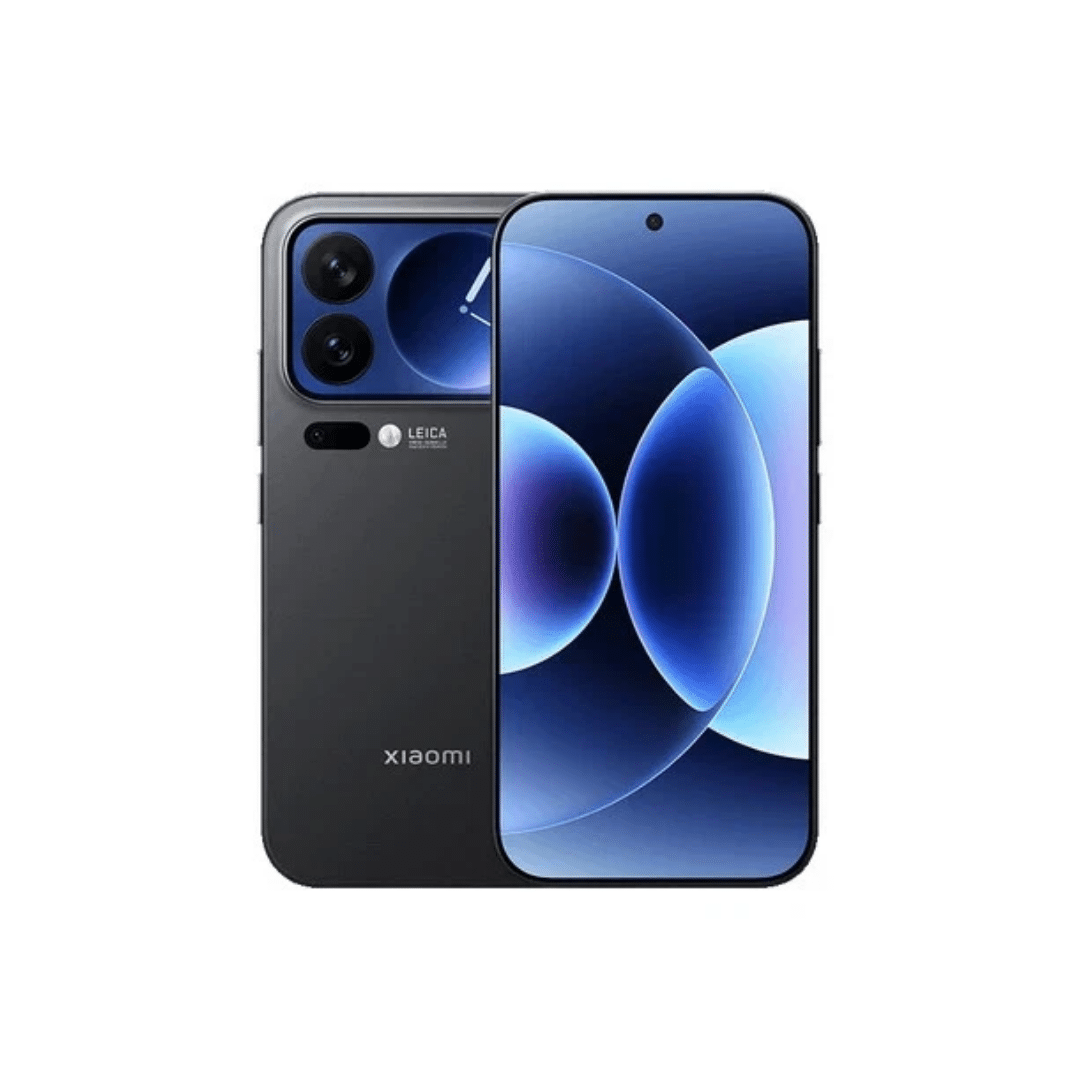
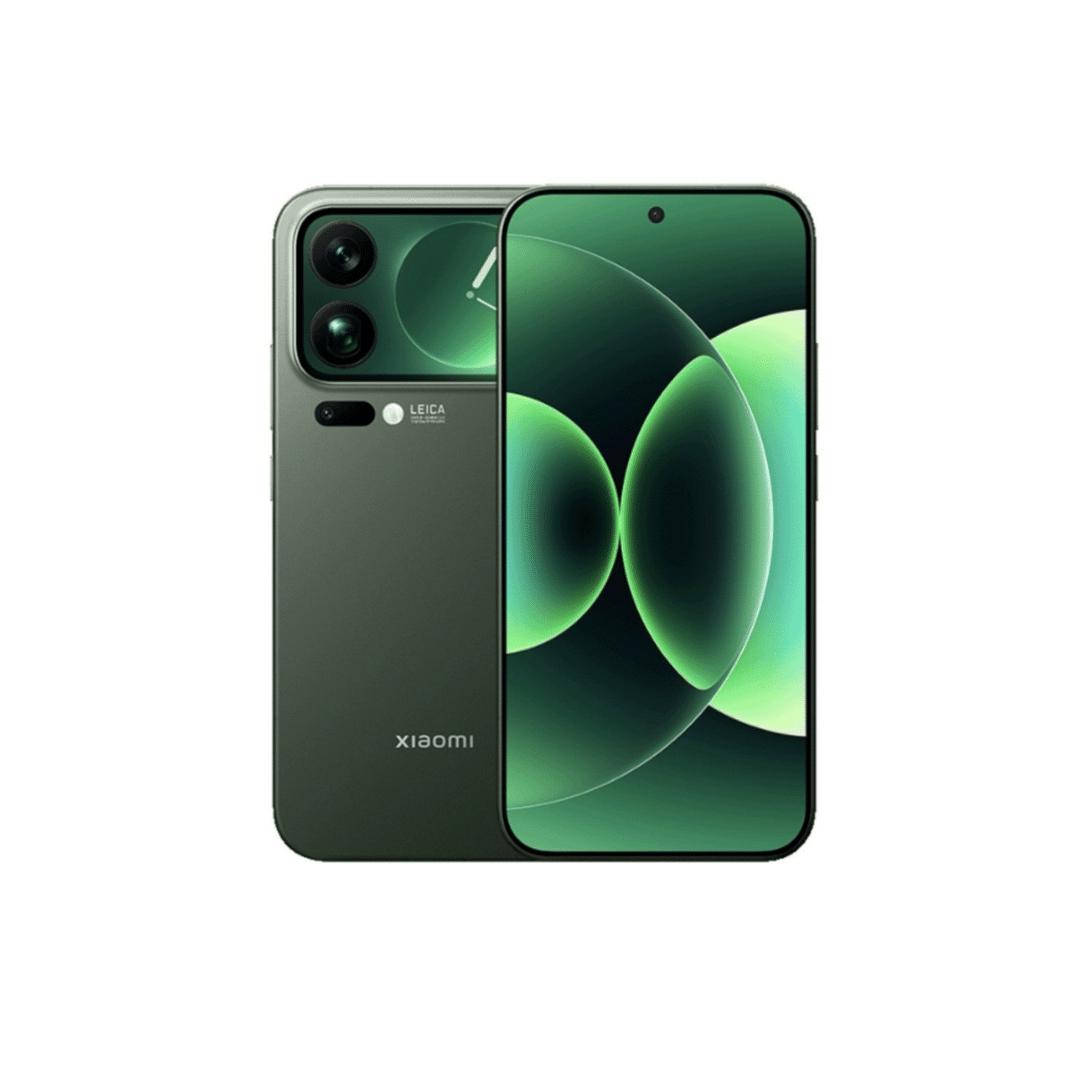
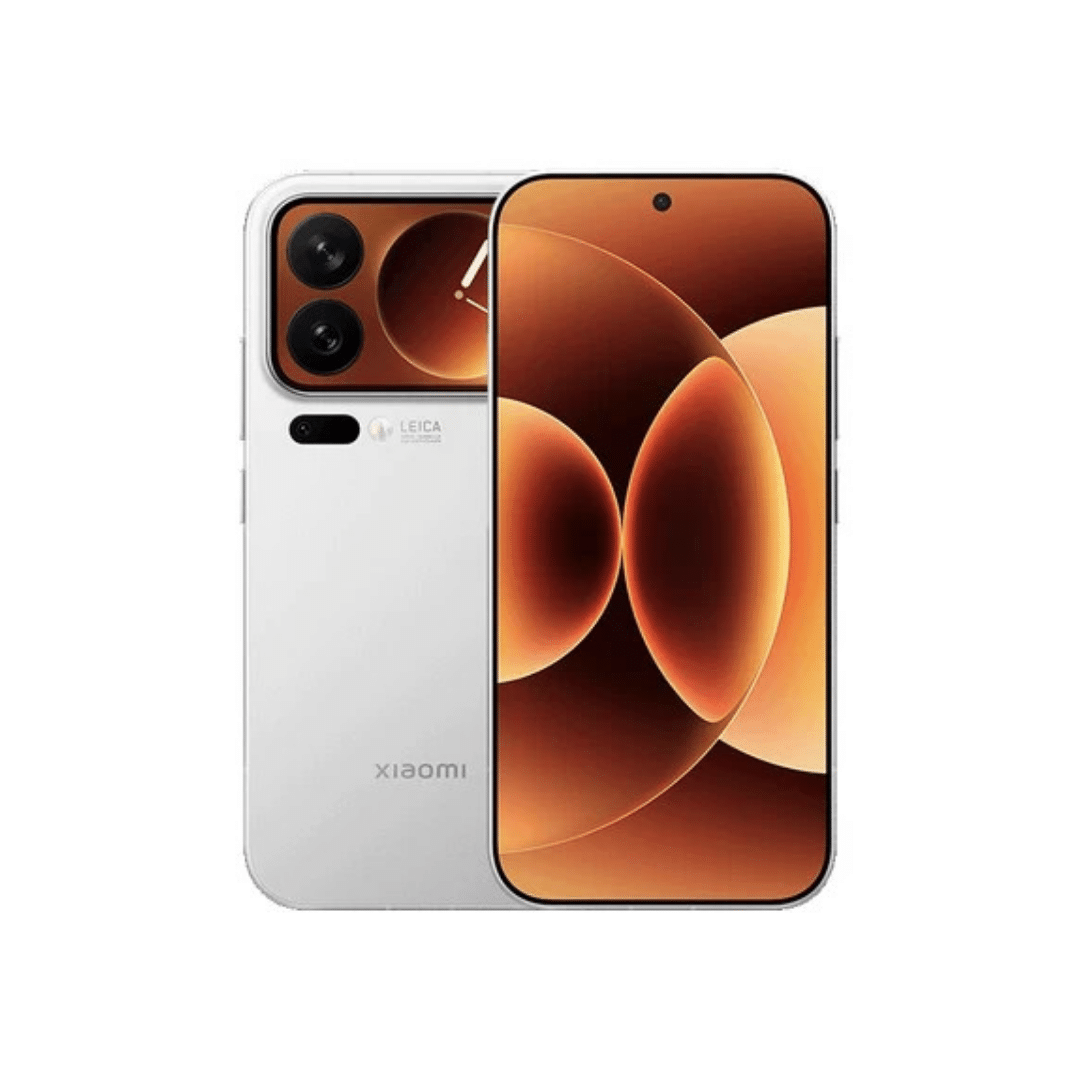
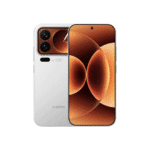
Xiaomi Redmi Note 17 Pro Price in Kenya, Full Specifications and Review (2026)
The Xiaomi Redmi Note 17 Pro price in Kenya is KSh 44,000, and independent testing gives it a genuinely strong, verifiable result: a measured active use score of 17 hours 32 minutes, a figure that puts real numbers behind what would otherwise be a fairly standard-sounding 8340mAh battery claim. This is the step-down sibling to the Redmi Note 17 Pro Max, sharing the same 6.83-inch AMOLED display, the same layered water resistance approach, and the same Gorilla Glass Victus 2 protection, while trading down to the Snapdragon 6s Gen 4 chipset, a single main-plus-ultrawide camera pairing, and slower 67W charging.
The naming here is worth flagging directly for buyers: this is specifically the Redmi Note 17 Pro 5G, and Xiaomi separately sells a differently specced Redmi Note 17 Pro for the China market, a genuine overlap that’s easy to buy the wrong phone against if searching online reviews or spec comparisons without checking the region tag first.
At KSh 44,000, the Redmi Note 17 Pro sits below the Redmi Note 14 Pro 5G at KSh 40,000, also available at Phonesstore Kenya — actually landing just above it by KSh 4,000, with the Note 17 Pro’s newer Snapdragon 6s Gen 4 chipset, considerably brighter 3500-nit display, IP68/IP69K water resistance, and a substantially larger 8340mAh battery as its clear advantages over the Note 14 Pro’s older Snapdragon 7s Gen 2 hardware and smaller 5100mAh cell.
You can buy the Xiaomi Redmi Note 17 Pro from Phonesstore Kenya, where it is available with competitive pricing and nationwide delivery across Kenya.
Xiaomi Redmi Note 17 Pro Full Specifications
Network
Feature
Specification
Technology
GSM / HSPA / LTE / 5G
Launch
Feature
Specification
Announced
2026, August 27
Status
Available. Released 2026, August 28
Body
Feature
Specification
Dimensions
163.5 x 78.3 x 8.6mm
Weight
223g
Build
Glass front (Gorilla Glass Victus 2), plastic back, plastic frame
SIM
Nano-SIM + Nano-SIM + eSIM, max 2 active
Water and Dust
IP68/IP69K (ROW), IP68 (EU); manufacturer-rated to 2m for 72 hours
At 223 grams and 8.6mm thick, the Note 17 Pro is only marginally lighter than the Pro Max (229.5g), despite the smaller camera array and slightly reduced battery, which tells you most of the weight in this design comes from the display panel and structural glass rather than the camera hardware. That’s a useful thing to know if you’re weighing “Pro vs Pro Max” purely on portability, the difference is small enough that camera capability, not comfort in hand, should be the deciding factor.
The build shares its Gorilla Glass Victus 2 front panel and full water resistance stack with the Pro Max, meaning everything said about durability there applies identically here: IP68/IP69K on rest-of-world units (covering both sustained freshwater immersion and high-pressure jet resistance, two distinct test protocols), IP68 only on EU units, and a separate manufacturer claim of 2 metres for 72 hours that sits outside standard IP testing and should be read as a self-reported figure rather than an independently certified one. The 3-metre drop resistance rating is identical across both models too, meaning Xiaomi isn’t cutting corners on structural durability to differentiate the cheaper Pro from the Pro Max, that differentiation happens entirely in the camera and chipset, not the chassis.
Display Quality
This is genuinely the same panel as the Pro Max in every measurable spec: 6.83 inches, 1280 x 2772 resolution (447 ppi), 120Hz refresh, and the same 3840Hz PWM dimming frequency that pushes flicker well past the range of human perception even at low brightness. The one real difference is HBM brightness, 1800 nits here against 2000 nits on the Pro Max, a gap of roughly 10%, small enough that it’s unlikely to be perceptible in side-by-side outdoor use, though the Pro Max’s slightly higher sustained brightness ceiling gives it a marginal edge in the harshest direct sunlight.
The claimed 3500-nit peak is identical between both models and, as with the Pro Max, should be understood as a narrow, likely short-duration HDR-highlight figure rather than a number the whole panel sustains. Notably, this variant’s spec sheet doesn’t list HDR10+ or Dolby Vision support the way the Pro Max’s does, worth checking directly if HDR video playback quality specifically matters to a buyer choosing between the two models.
Performance and Chipset
The Snapdragon 6s Gen 4 sits a clear step below the Pro Max’s Snapdragon 6 Gen 5, and the “s” in the naming is Qualcomm’s own signal that this is a cost-reduced variant within the 6-series line, typically achieved through lower clock speeds and a less capable GPU rather than a different core architecture. With four 2.4GHz Cortex-A78 performance cores and four 1.8GHz Cortex-A55 efficiency cores paired with the Adreno 710 GPU, this chipset is built for consistent, efficient everyday performance, calls, messaging, social media, video, light gaming, rather than sustained gaming loads or heavy multitasking.
The storage situation mirrors the Pro Max exactly: UFS 3.1 on the 256GB and 512GB configurations (a meaningful step down from the Pro Max’s UFS 4.1, but still a solid, current-generation-adjacent standard), while the base 128GB configuration specifically uses the older, slower UFS 2.2. That storage-tier trade-off is the same practical advice as with the Pro Max, if the 128GB price point is tempting, factor in that it comes with noticeably slower file handling than the higher storage tiers.
Camera Performance
The main camera hardware is genuinely identical to the Pro Max on paper, 50MP, f/1.8, 1/2.76-inch sensor, PDAF, and OIS, though it’s worth noting the aperture here is f/1.8 rather than the Pro Max’s wider f/1.5, a real difference in low-light light-gathering capability even though both share the same sensor size. The 8MP ultrawide is identical between both models, including the same modest 1/4.0-inch sensor size, meaning the same predictable quality drop-off in anything but bright daylight applies here as well.
The more meaningful downgrade from the Pro Max is video capability: this model caps out at 1080p@30fps rather than the Pro Max’s 4K@30fps, a genuine limitation for anyone who shoots video regularly rather than mostly stills. The selfie camera drops from the Pro Max’s 32MP to 16MP here, also losing 4K selfie video in the process, both cameras on this model are capped at 1080p, a clear and consistent line Xiaomi has drawn between the two tiers specifically around video capability rather than photo resolution.
Battery Life and Charging
The independently measured 17-hour-32-minute active use score is a genuinely strong result on its own terms, roughly on par with or ahead of most flagship phones’ active use scores despite this being a mid-range device, though it sits meaningfully behind the Pro Max’s 22-hour-31-minute result. That gap, roughly 5 hours, is larger than the raw battery capacity difference alone would suggest (8340mAh vs. 9210-10000mAh, only a 10-20% capacity gap), which points to the Pro Max’s newer, more efficient Snapdragon 6 Gen 5 chipset also playing a real role in the difference, not just battery size.
67W wired charging with PD3.0 support, reaching 50% in 34 minutes, is meaningfully slower than the Pro Max’s 100W charging, but still lands in genuinely fast territory for a battery this size, and PD3.0 support means the same broad third-party charger compatibility applies here as on the Pro Max. The 22.5W reverse wired charging is solid, though it’s worth noting it’s a clear step down from the Pro Max’s 27W, still faster than the 5-10W typical elsewhere in the market, just not quite matching its sibling.
Who Is the Xiaomi Redmi Note 17 Pro For?
Ideal for:
Buyers who want the Pro Max’s display quality and water resistance stack at a lower price, and don’t need 4K video capture
Anyone who wants a genuinely strong, independently verified 17.5-hour active use battery result without paying for the largest available capacity
Users who want broad third-party charger compatibility via PD3.0 rather than proprietary fast-charging
Buyers prioritizing photo quality over video, given the identical main sensor to the Pro Max at a lower price
Not ideal for:
Anyone who shoots video regularly, given the 1080p cap on both the main and selfie cameras versus the Pro Max’s 4K support
Buyers who specifically want the fastest available charging, where the Pro Max’s 100W meaningfully outpaces this model’s 67W
Users choosing the 128GB tier who care about file-transfer speed, given the older UFS 2.2 storage on that configuration specifically
Pros and Cons
The Xiaomi Redmi Note 17 Pro has genuinely strong, verifiable strengths at KSh 44,000. It delivers the same 6.83-inch, 447 ppi AMOLED display as the pricier Pro Max with 3840Hz PWM dimming and up to 3500 nits peak brightness, the same Gorilla Glass Victus 2 protection, identical IP68/IP69K water resistance and 3m drop rating, a 50MP OIS main camera, an independently measured 17-hour 32-minute active use score from an 8340mAh battery, 67W wired charging on the open PD3.0 standard, and 22.5W reverse wired charging, at KSh 44,000.
Its main limitations are the step-down Snapdragon 6s Gen 4 chipset relative to the Pro Max, video capture capped at 1080p on both the main and selfie cameras (versus the Pro Max’s 4K), a smaller 16MP selfie camera, no HDR10+/Dolby Vision listed on this variant’s display, older UFS 2.2 storage specifically on the base 128GB configuration, and no expandable storage on any tier.
Where to Buy Xiaomi Redmi Note 17 Pro in Kenya
You can buy the Xiaomi Redmi Note 17 Pro from Phonesstore Kenya, a trusted retailer for genuine Xiaomi smartphones in Kenya.
Phonesstore Kenya offers competitive pricing, reliable service, and nationwide delivery, making it convenient to order from anywhere in the country.
Xiaomi Redmi Note 17 Pro vs Infinix Note 60 Pro
Both are 5G mid-rangers available at Phonesstore Kenya within KSh 5,000 of each other, each leaning on a high-refresh AMOLED display and a large battery as the core sales pitch. The Redmi Note 17 Pro leads on battery capacity with its 8340mAh cell against the Note 60 Pro’s 6500mAh, a sharper 447 ppi display resolution, IP68/IP69K water resistance against the Note 60 Pro’s more basic IP64, and Gorilla Glass Victus 2 protection. The Infinix Note 60 Pro, priced at KSh 40,000 at Phonesstore Kenya, counters with a faster 144Hz refresh rate against the Redmi’s 120Hz, a brighter claimed 4500-nit peak, and notably 30W wireless charging, a feature the Redmi Note 17 Pro doesn’t offer at all.
What is the Xiaomi Redmi Note 17 Pro price in Kenya?
The Xiaomi Redmi Note 17 Pro price in Kenya is KSh 44,000. You can buy it from Phonesstore Kenya with nationwide delivery.
How does the Redmi Note 17 Pro’s battery compare to the Pro Max?
Independent testing recorded a 17-hour 32-minute active use score for the Note 17 Pro against 22 hours 31 minutes for the Pro Max, a gap larger than the roughly 10-20% battery capacity difference alone would explain, suggesting the Pro Max’s newer chipset also contributes to its longer battery life.
Is the Xiaomi Redmi Note 17 Pro waterproof?
Rest-of-world units carry IP68/IP69K certification, covering both sustained freshwater immersion and high-pressure jet resistance. EU units carry only IP68. Xiaomi separately claims the phone survives 2 metres of water for 72 hours, a manufacturer claim outside standard IP testing.
Does the Redmi Note 17 Pro record 4K video?
No. Unlike the Pro Max, both the main and selfie cameras on this model are capped at 1080p@30fps.
How is this different from the Redmi Note 17 Pro Max?
The Pro and Pro Max share the same core display panel size and resolution, Gorilla Glass Victus 2, and water resistance rating. The Pro Max adds a newer Snapdragon 6 Gen 5 chipset, a wider f/1.5 main camera aperture, 4K video on both cameras, a higher-resolution 32MP selfie camera, faster 100W charging, and a larger battery.
What chipset does the Redmi Note 17 Pro use?
The Qualcomm Snapdragon 6s Gen 4, a cost-reduced 4nm variant within Qualcomm’s 6-series line, built for efficient everyday performance rather than sustained gaming loads.
Does the Redmi Note 17 Pro support fast charging?
Yes. It supports 67W wired charging on the open PD3.0 standard, reaching 50% in 34 minutes, plus 22.5W reverse wired charging.
Is this the same as the Redmi Note 17 Pro sold in China?
No. This is specifically the Redmi Note 17 Pro 5G for global markets including Kenya. Xiaomi sells a separately specced Redmi Note 17 Pro for the China market, so buyers should confirm they’re looking at the correct regional variant when comparing specs online.
Xiaomi is a global leader in smartphones, smart gadgets, and innovative accessories. At Phones Store Kenya, we bring you a wide range of genuine Xiaomi products, including smartphones, smartwatches, earbuds, and chargers, all designed for performance, style, and reliability.
Whether you’re upgrading to the latest Xiaomi phone, accessorizing with smart gadgets, or hunting for durable Xiaomi accessories, Phones Store Kenya ensures authentic products with fast delivery across Kenya.
Shop our Xiaomi collection today and experience cutting-edge technology at unbeatable prices, only at Phones Store Kenya.






Reviews
There are no reviews yet.