
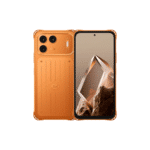
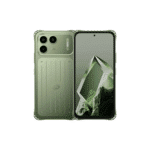
Itel Power 80
itel Power 80 Key Features
Brand: itel
Release Date: June 2026
Price in Kenya: KSh 19,000
Display: 6.78-inch IPS LCD, 720 x 1576 (HD+), 120Hz, ~256 ppi
Protection: IP68/IP69, drop resistant up to 2m, MIL-STD-810H compliant
Processor: Unisoc T7250 (12nm), octa-core (2x 1.8GHz Cortex-A75 + 6x 1.6GHz Cortex-A55), Mali-G57 MP1 GPU
RAM: 4GB or 6GB
Storage: 64GB or 128GB, expandable with microSDXC
Rear Camera: 50MP with LED flash
Front Camera: 8MP
Video Recording: 1080p at 30fps
Battery: 7,000mAh
Charging: 18W wired, reverse wired charging
Connectivity: 4G LTE, dual Nano-SIM, Wi-Fi, Bluetooth, GPS, USB-C with OTG; no NFC, no 5G
Audio: Loudspeaker, 3.5mm headphone jack
Build: Rugged design, MIL-STD-810H compliant
Water & Dust Resistance: IP68/IP69 (immersible to 1.5m for 30 minutes; high-pressure water jets)
Dimensions & Weight: Not specified
Operating System: Android 16, itel OS 16
Security: Side-mounted fingerprint sensor
KSh 19,000
Warranty: Registered by the buyer with the manufacturer. Need help? Message us and we'll guide you.
Specs: Itel Power 80 details checked against official data (13th November 2026). Spotted something off? Tell us on WhatsApp or call 0728 270 084.

Cash on Delivery within Nairobi
Pay on Order outside Nairobi
itel Power 80 Price in Kenya, Full Specifications and Review (2026)
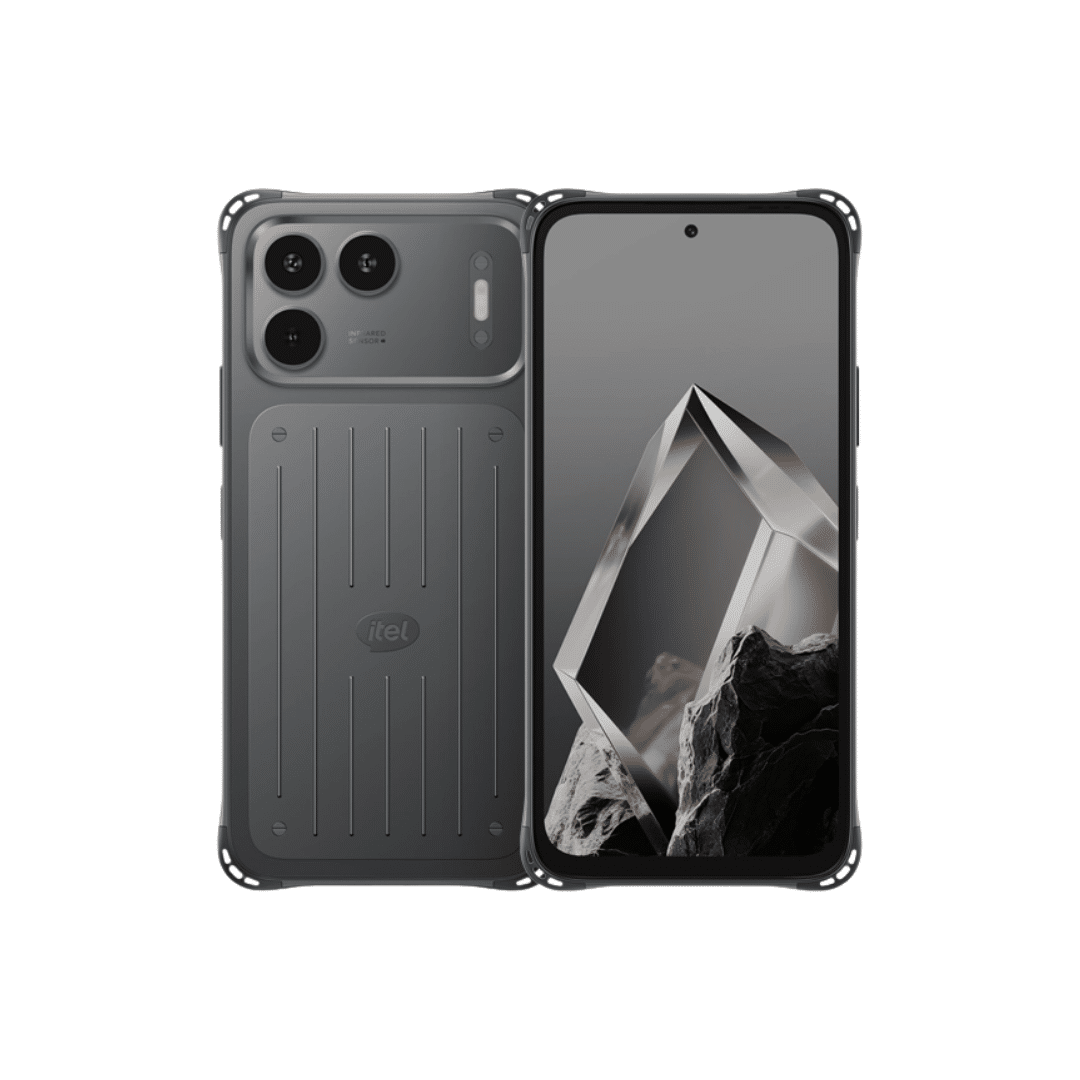
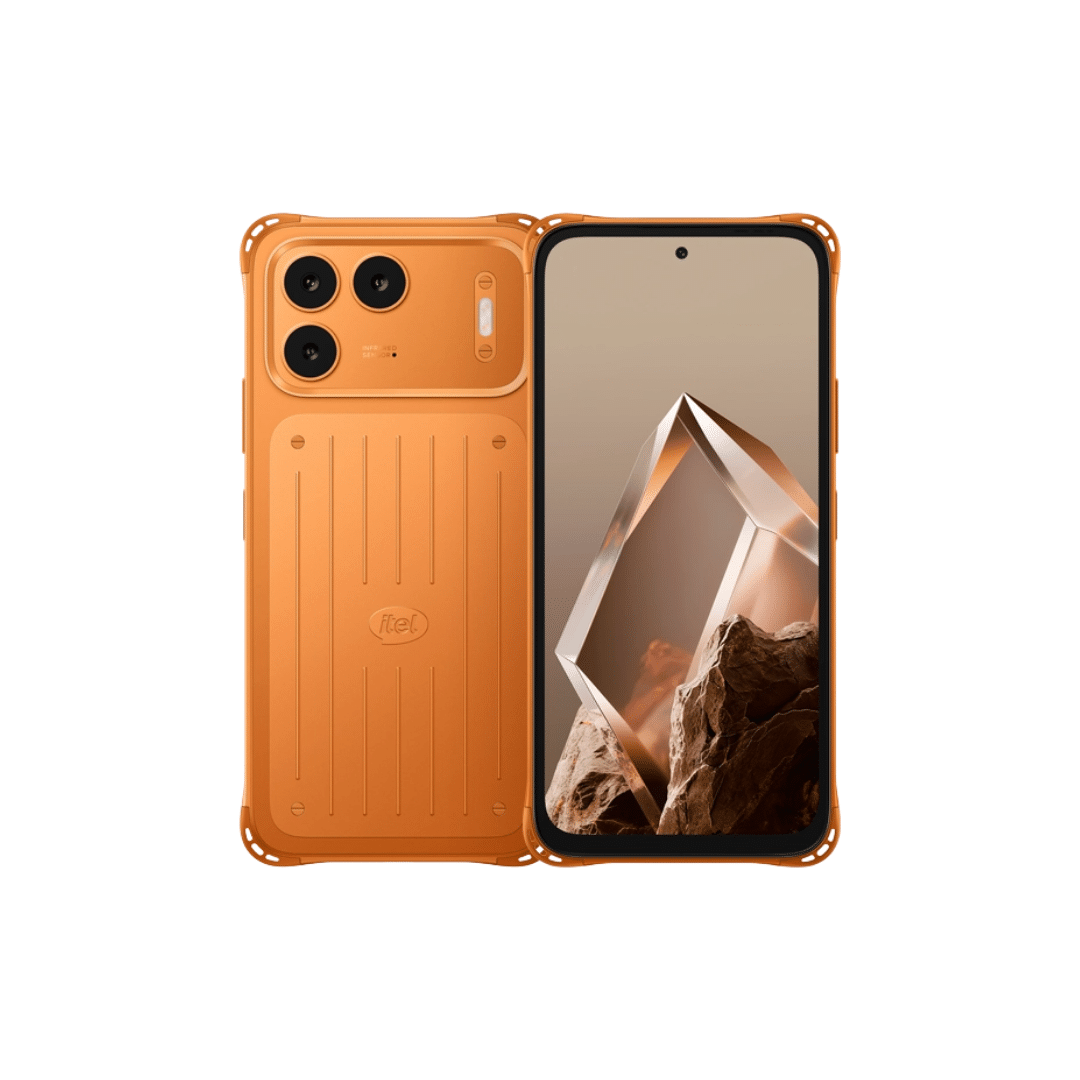
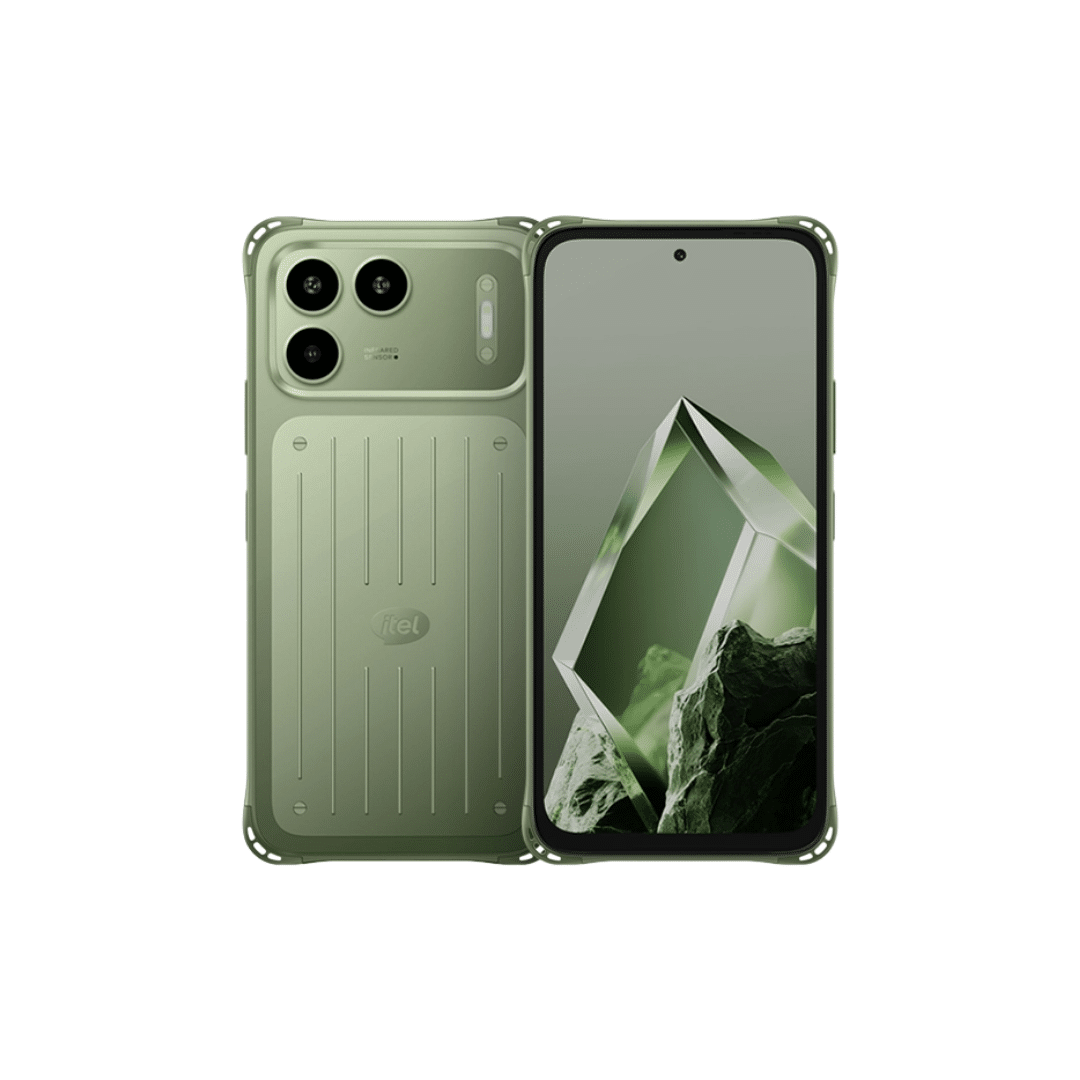
The itel Power 80 price in Kenya is KSh 19,000. Announced on 9 June 2026 and released the same month, it is itel’s 2026 battery-and-durability phone. It’s built for people who need a phone to last all day, often two, and survive conditions that would finish off an ordinary budget handset. It pairs a 7,000mAh battery with IP68 and IP69 dust and water resistance, drop resistance from up to 2 metres and MIL-STD-810H compliance. Around those headline features sit a 6.78-inch 120Hz IPS display, the octa-core Unisoc T7250 chipset, a 50MP main camera, an 8MP selfie camera and Android 16 with itel OS 16. It charges at 18W and supports reverse wired charging, so it can top up another phone. It comes in 4GB/64GB and 6GB/128GB configurations with microSD expansion, in Black, Green and Orange.
The Power 80 is aimed at a part of the Kenyan market that most phone makers overlook: people whose phones live hard lives. That includes boda boda riders exposed to rain and dust all day, mjengo workers on construction sites, farmers in the field, mama mboga and market traders handling produce with wet hands, field sales staff travelling upcountry, and students whose phones get dropped, sat on and soaked. These buyers need two things above all: a battery that doesn’t die before they get home, and a phone that survives drops, dust and water. Most phones at KSh 19,000 offer neither. They typically have 5,000mAh batteries and no meaningful water or dust rating, so a single fall into a puddle can be fatal.
The Power 80 is unusual because it delivers both. Its 7,000mAh battery is 40% larger than the 5,000mAh norm, and its IP69 rating, which covers high-pressure water jets, is something many flagship phones costing ten times as much don’t offer. The compromises are just as clear: a modest HD+ screen resolution, an entry-level chipset, slow 18W charging for such a big battery, and a single rear camera. This review explains what each of those choices means in daily use.
The comparison at Phonesstore Kenya is the itel P55 Plus at KSh 16,500, itel’s earlier battery-focused P-series phone. The P55 Plus is KSh 2,500 cheaper and listed with faster charging. The Power 80 adds 2,000mAh more battery, a smoother 120Hz screen, a far tougher build and three newer Android versions.
You can buy the itel Power 80 from Phonesstore Kenya, where it is available with competitive pricing and nationwide delivery across Kenya.
itel Power 80 Full Specifications
Launch
| Feature | Specification |
|---|---|
| Announced | 9 June 2026 |
| Status | Available, released June 2026 |
| Colours | Black, Green, Orange |
Body and Durability
| Feature | Specification |
|---|---|
| Dimensions | Not specified |
| Weight | Not specified |
| SIM | Dual Nano-SIM |
| Water and Dust | IP68/IP69 (dust-tight; immersible to 1.5m for 30 minutes; high-pressure water jets) |
| Drop Resistance | Up to 2m |
| Military Standard | MIL-STD-810H compliant (does not guarantee ruggedness in extreme conditions) |
Display
| Feature | Specification |
|---|---|
| Type | IPS LCD |
| Refresh Rate | 120Hz |
| Size | 6.78 inches (112.1 cm²) |
| Resolution | 720 x 1576 pixels, 19.5:9 |
| Pixel Density | ~256 ppi |
Platform
| Feature | Specification |
|---|---|
| Operating System | Android 16, itel OS 16 |
| Chipset | Unisoc T7250 (12nm) |
| CPU | Octa-core (2x 1.8GHz Cortex-A75 + 6x 1.6GHz Cortex-A55) |
| GPU | Mali-G57 MP1 |
Memory
| Feature | Specification |
|---|---|
| Variants | 4GB RAM / 64GB, 6GB RAM / 128GB |
| Card Slot | microSDXC |
Main Camera
| Feature | Specification |
|---|---|
| Sensor | 50MP |
| Flash | LED |
| Video | 1080p at 30fps |
Selfie Camera
| Feature | Specification |
|---|---|
| Sensor | 8MP |
| Video | Yes |
Sound
| Feature | Specification |
|---|---|
| Loudspeaker | Yes |
| 3.5mm Jack | Yes |
Connectivity
| Feature | Specification |
|---|---|
| Network | GSM / HSPA / LTE (no 5G) |
| Wi-Fi | Yes (version not specified) |
| Bluetooth | Yes (version not specified) |
| Positioning | GPS |
| NFC | No |
| USB | USB-C, OTG |
Sensors
| Feature | Specification |
|---|---|
| Fingerprint | Side-mounted |
| Others | Accelerometer, proximity |
Battery
| Feature | Specification |
|---|---|
| Capacity | 7,000mAh |
| Wired Charging | 18W |
| Reverse Charging | Wired |
Price
| Feature | Specification |
|---|---|
| Price in Kenya | KSh 19,000 |
Design and Build
The Power 80’s design is driven by two priorities: fitting a 7,000mAh battery and surviving rough handling. itel hasn’t published the phone’s dimensions or weight. Phones with batteries this large are typically thicker and heavier than standard 5,000mAh phones, often well over 200g, so buyers should expect a phone that feels substantial in the hand and in a trouser pocket. For the intended buyer, that’s usually a fair trade: a little extra weight in exchange for two days of battery and a body built to take knocks.
The side-mounted fingerprint sensor doubles as the power button. It’s quick and reliable, and it works better than in-display sensors when fingers are slightly damp or dusty, which matters for outdoor workers. One caution: fingerprint sensors struggle with very wet or muddy fingers, so a PIN or pattern backup is sensible.
The colour options are Black, Green and Orange. Orange is the most practical for outdoor users, because a brightly coloured phone is much easier to spot if it’s dropped in grass, mud or a dim matatu.
Durability Explained: IP68, IP69, 2m Drops and MIL-STD-810H
Durability is the main reason to buy the Power 80, so it’s worth unpacking what each rating actually covers and where its limits lie.
IP68: dust and submersion. The “6” means the phone is completely dust-tight. Fine dust from murram roads, building sites and dry-season winds can’t get inside. The “8” means it can be submerged in water. itel specifies up to 1.5 metres for 30 minutes. In practice, it will survive being dropped in a puddle, a bucket or a sink, and being used in heavy rain on a boda.
IP69: high-pressure water jets. IP69 is a separate, tougher test using high-pressure, high-temperature water jets. It was designed for industrial equipment that gets pressure-washed. Very few phones carry it, and almost none at this price. For a farmer, mechanic or construction worker, it means the phone can be rinsed under a running tap to remove mud, grease or cement dust without worry.
Drop resistance up to 2 metres. itel rates the phone to survive drops from about 2 metres, roughly head height for most adults. That covers the common accidents: slipping off a motorbike seat, falling from a shirt pocket while climbing a ladder, or being knocked off a market stall. Drop survival always depends on how the phone lands. A corner landing on concrete is harder on any phone than a flat landing on soil.
MIL-STD-810H compliance. MIL-STD-810H is a US military testing standard covering environmental stresses such as shock, vibration, temperature extremes and humidity. Compliance means the phone has passed a selection of these tests, which is a strong signal of a toughened design. As the specifications themselves note, it does not guarantee ruggedness or use in extreme conditions. Treat it as evidence of a sturdier build, not a promise of indestructibility.
The practical limits. Two cautions apply to every water-resistant phone. First, water resistance relies on seals that can weaken with age, heat and impacts, so a phone that has been dropped several times may no longer be as watertight as new. Second, phone warranties commonly exclude water damage, so the IP ratings are a safety net, not an invitation to swim with the phone. It’s also wise to make sure the USB-C port is dry before charging after exposure to water.
Display
The Power 80 has a large 6.78-inch IPS LCD panel with a 120Hz refresh rate. The high refresh rate makes scrolling through WhatsApp chats, TikTok, Facebook and web pages look noticeably smoother than on standard 60Hz screens, and once users get used to it, 60Hz feels choppy. At this price, 120Hz is a genuine plus.
The resolution is HD+ (720 x 1576 pixels), which on a 6.78-inch screen gives a pixel density of about 256 pixels per inch. That’s on the low side. Text, app icons and fine detail look slightly soft compared with Full HD+ screens, which typically reach around 390–400 ppi at this size. The difference is most visible when reading small text, viewing detailed photos or watching high-resolution video. For calls, messaging, social media and YouTube at normal viewing distance, it’s acceptable. The lower resolution also helps battery life, since the chip has fewer pixels to drive.
IPS LCD panels offer good viewing angles and natural colours, but they don’t match the deep blacks and contrast of the AMOLED screens found on some rivals, such as the Samsung Galaxy A18. itel doesn’t specify peak brightness, so outdoor visibility in strong midday sun is unconfirmed. Users who spend most of the day outdoors should check the screen in person if possible.
Performance
The Power 80 runs on the Unisoc T7250, a 12nm octa-core chipset. It has two Cortex-A75 performance cores at 1.8GHz for demanding moments, six Cortex-A55 efficiency cores at 1.6GHz for background and everyday tasks, and a Mali-G57 MP1 GPU for graphics. It belongs to the same entry-level performance class as Unisoc chips such as the T606 found in many budget phones.
In daily use, that means the Power 80 comfortably handles the essentials: calls, SMS, WhatsApp, M-Pesa and banking apps, Facebook, TikTok, YouTube, Google Maps and light browsing. Apps open in a reasonable time, and the 120Hz screen makes menus feel fluid. The limits show with heavier workloads. Demanding 3D games such as PUBG Mobile or Call of Duty Mobile will run only at low graphics settings, with occasional frame drops. Switching rapidly between many open apps can cause reloads, especially on the 4GB model. The GPU can’t always keep the screen running at a full 120 frames per second in heavier apps and games, so the 120Hz advantage is clearest in scrolling and menus.
The 12nm manufacturing process is older and less efficient than the 6nm and 4nm chips in pricier phones, but paired with an HD+ screen and a 7,000mAh battery, efficiency isn’t a practical problem. Battery life remains excellent.
Memory and Storage
The Power 80 comes in two configurations: 4GB of RAM with 64GB of storage, or 6GB of RAM with 128GB of storage. The choice matters more than it might seem.
RAM: 4GB is enough for basic use, but it limits how many apps can stay open in the background before Android starts closing them. 6GB keeps more apps ready and makes the phone feel smoother over time, especially as apps grow larger with updates.
Storage: 64GB fills up faster than most buyers expect. Android and itel OS take a significant share, and WhatsApp alone can grow to many gigabytes with photos, videos and voice notes. Add TikTok, Facebook, M-Pesa, banking apps and a photo library, and 64GB can feel cramped within months.
Both versions support microSDXC cards, which helps. Photos, videos, music and documents can be stored on a card, freeing internal storage for apps. For most buyers, the 6GB/128GB version is the better long-term choice. The 4GB/64GB model suits buyers who mainly use calls, WhatsApp and M-Pesa and want to spend as little as possible.
Software
The Power 80 ships with Android 16 and itel’s own itel OS 16 interface on top. Starting on a current Android version is a real advantage. It means recent security features, better app compatibility and access to the latest versions of apps for years to come.
itel hasn’t published how many major Android updates or how many years of security patches the Power 80 will receive. Historically, budget itel phones have received limited major updates. Buyers shouldn’t expect the long-term support offered by brands such as Samsung, whose budget Galaxy A phones promise up to six OS updates. For most Power 80 buyers, who plan to use the phone for its battery and toughness, this matters less than it would to a buyer who wants the newest features for years.
Like most budget Android phones, itel OS may come with some pre-installed apps. Unused apps can usually be disabled or uninstalled to free storage and reduce notifications.
Cameras
The rear camera system is a single 50MP main camera with an LED flash. There’s no ultrawide, macro or depth camera. That’s a sensible choice: many budget phones add low-resolution secondary cameras that add little real value, and itel has concentrated on one main sensor instead.
Daylight photos: in good light, the 50MP camera captures enough detail for social media, WhatsApp statuses, product photos for online selling and photos of documents and receipts. Colours are typically bright and punchy in itel’s processing.
Low light: indoors and at night, image quality drops noticeably, with more noise and less detail, as is normal for phones at this price. The LED flash helps for close subjects.
Video: recording tops out at 1080p and 30fps, which is fine for casual clips and video calls but not for creators who want smoother 60fps or sharper 4K footage.
Selfies: the 8MP front camera handles video calls on WhatsApp, Zoom and Google Meet, along with casual selfies. Detail is modest, but adequate for social media.
Overall, the cameras are functional rather than impressive. Buyers who prioritise photography should look at phones with stronger camera systems. For the Power 80’s target buyer, the camera reliably covers documenting work, sending photos to customers and keeping in touch with family.
Battery Life and Charging
The 7,000mAh battery is the Power 80’s defining feature, alongside its durability. Several factors work together to stretch it: the large capacity, the power-efficient HD+ screen, and an entry-level chip that doesn’t draw much power. For moderate users (calls, WhatsApp, M-Pesa, some social media and YouTube), it should comfortably last around two days on a charge. Heavy users who stream video and use maps for hours should still get well over a day. The 120Hz refresh rate uses more power than 60Hz; switching to 60Hz in settings stretches battery life further when needed.
For many Kenyan users, this is a practical advantage, not just a spec-sheet number. It suits a boda rider out from dawn to dusk, a field officer travelling between counties with no reliable charging, a student in a hostel with limited sockets, or a household dealing with power cuts. In each case, a phone that reliably lasts two days removes a constant source of stress.
Charging speed is the trade-off. At 18W, refilling a 7,000mAh battery takes several hours, considerably longer than phones with 33W, 45W or faster charging. In practice, the Power 80 is best charged overnight: plug it in before bed and wake up with two days of power. Users who rely on quick 20-minute top-ups during the day will find it slow. Using a quality 18W-compatible charger and cable ensures it charges at full speed.
Reverse wired charging lets the Power 80 act as a power bank. Connected with a USB-C cable, or an OTG adapter for older devices, it can top up another phone, earbuds or a smartwatch. During a power cut, on a long bus journey, or when a family member’s phone is dying, that 7,000mAh reserve can keep a second device running. Reverse charging drains the Power 80’s own battery, so it’s best used for top-ups rather than full charges.
Connectivity and Audio
The Power 80 supports 4G LTE with dual Nano-SIM, so users can run Safaricom and Airtel lines side by side, for example one for M-Pesa and calls, the other for cheaper data bundles. It has Wi-Fi, Bluetooth and GPS, though itel doesn’t specify the Wi-Fi or Bluetooth versions. GPS supports navigation apps such as Google Maps and delivery and ride-hailing apps. The USB-C port supports OTG, so it can connect to flash drives, keyboards and other accessories.
There’s no 5G, which matters little for most budget buyers. 4G coverage is widespread across Kenya’s towns and major roads, and 4G speeds are ample for streaming, video calls and social media. There’s also no NFC. Contactless phone payments aren’t widely used in Kenya, where M-Pesa dominates, so few buyers will miss it.
On audio, the Power 80 keeps a 3.5mm headphone jack, useful for cheap and reliable wired earphones, which many budget buyers prefer to Bluetooth earbuds that need charging. The loudspeaker handles calls, voice notes and videos. Whether the phone includes an FM radio is not specified.
Using the itel Power 80 in Kenya
The Power 80’s strengths line up closely with everyday Kenyan conditions:
- Rainy seasons: the long rains and short rains are no threat to an IP68/IP69 phone used on a boda, at a stage or in the field.
- Dust: dust-tight sealing keeps out the fine dust of murram roads, quarries and building sites, which slowly damages ordinary phones’ ports and buttons.
- Power cuts: a two-day battery keeps users connected through outages, and reverse charging can keep a second phone alive.
- Long journeys: long matatu and bus trips upcountry are easily covered without hunting for a socket.
- M-Pesa: the phone runs M-Pesa, the M-Pesa app and banking apps smoothly, and dual SIM supports separate lines for money and data.
Who Is the itel Power 80 For?
Ideal for:
- Boda boda riders, mjengo workers, farmers, mechanics and market traders who work outdoors in rain and dust
- Anyone who needs two-day battery life, especially with frequent power cuts
- Field staff and frequent travellers who can’t charge during the day
- Parents buying a tough phone for a teenager or student
- Users who want a phone that can also charge another device in an emergency
Not ideal for:
- Mobile gamers who play demanding 3D titles
- Users who need fast top-up charging during the day
- Photography and video enthusiasts who want multiple cameras, strong low-light performance or 4K video
- Buyers who want sharp Full HD+ or AMOLED displays
- Anyone who prioritises long-term Android update support
Pros and Cons
The itel Power 80 has genuine strengths at KSh 19,000. Its 7,000mAh battery delivers around two days of moderate use, and reverse wired charging lets it top up other devices. IP68 and IP69 ratings, including protection against high-pressure water jets, are rare at this price. Drop resistance up to 2m and MIL-STD-810H compliance add to its rugged credentials. The 6.78-inch 120Hz display makes scrolling smooth, and it ships with Android 16 and itel OS 16. It offers microSD expansion on both variants, keeps a 3.5mm headphone jack and supports USB-C OTG. The side fingerprint sensor works well with slightly damp fingers, and the 50MP main camera is capable in daylight.
Its main limitations are that 18W charging is slow for a 7,000mAh battery, so overnight charging is best. The HD+ resolution (~256 ppi) looks soft on a 6.78-inch screen, and the entry-level Unisoc T7250 handles only light gaming. The 4GB/64GB variant fills quickly. There’s a single rear camera with no ultrawide, low-light photos are weak, and video tops out at 1080p and 30fps. It has no 5G or NFC. The update policy, dimensions, weight, peak brightness, and Wi-Fi and Bluetooth versions aren’t specified, and it’s likely heavier than standard phones.
Where to Buy itel Power 80 in Kenya
You can buy the itel Power 80 from Phonesstore Kenya, a trusted retailer for genuine itel phones in Kenya. Phonesstore Kenya offers competitive pricing, reliable service, and nationwide delivery, making it convenient to order from anywhere in the country.
itel Power 80 vs itel P55 Plus
Both are battery-focused itel phones at similar prices, but they’re built for different buyers. The itel Power 80, at KSh 19,000, is the rugged option. It has a 7,000mAh battery with reverse wired charging, IP68/IP69 water and dust resistance, 2m drop resistance and MIL-STD-810H compliance, a 6.78-inch 120Hz display and Android 16. The itel P55 Plus, at KSh 16,500, is the faster-charging option. It has a 5,000mAh battery, a 6.6-inch 90Hz HD+ display, the similar Unisoc T606 chipset and Android 13, with a 50MP main camera plus an auxiliary lens. Its listing headlines 45W charging, though its spec table also states 18W. It has no water or dust rating.
On performance, the two are broadly similar: both use 12nm Unisoc chips with Cortex-A75 performance cores and a Mali-G57 MP1 GPU, so everyday speed and gaming ability are in the same class. The real differences are battery size, durability, screen smoothness and software age.
| Feature | itel Power 80 | itel P55 Plus |
|---|---|---|
| Battery | 7,000mAh | 5,000mAh |
| Charging | 18W, reverse wired | Listed as 45W (spec table also says 18W) |
| Display | 6.78″ IPS, 120Hz, HD+ | 6.6″ IPS, 90Hz, HD+ |
| Chipset | Unisoc T7250 (12nm) | Unisoc T606 (12nm) |
| Water and Dust | IP68/IP69 | No rating |
| Drop Resistance | Up to 2m, MIL-STD-810H | Not rated |
| Rear Camera | 50MP | 50MP + auxiliary lens |
| Front Camera | 8MP | 8MP |
| OS at Launch | Android 16 | Android 13 |
| Headphone Jack | Yes | Yes |
| Price in Kenya | KSh 19,000 | KSh 16,500 |
For buyers who work outdoors, face rain and dust, deal with power cuts or simply drop their phones often, the Power 80’s 2,000mAh larger battery and rugged build are well worth the extra KSh 2,500. Its three-generation newer Android version is a bonus. Buyers who use their phone mostly indoors and value faster charging over toughness can save with the P55 Plus.
Frequently Asked Questions
What is the itel Power 80 price in Kenya?
The itel Power 80 is priced at KSh 19,000 at Phonesstore Kenya.
Is the itel Power 80 waterproof?
It is rated IP68 and IP69. It is dust-tight, immersible in water up to 1.5m for 30 minutes, and protected against high-pressure water jets. Water resistance can weaken over time, and warranties usually exclude water damage.
Can I wash the itel Power 80 under a tap?
Yes. Its IP69 rating covers high-pressure water jets, so rinsing off mud or dust under a tap is fine. Make sure the USB-C port is dry before charging.
Will it survive being dropped?
It’s rated to survive drops from up to 2 metres and is MIL-STD-810H compliant. Survival still depends on how it lands, and no phone is indestructible.
How long does the 7,000mAh battery last?
Around two days of moderate use. Heavy users streaming video and using maps should still get well over a day.
How long does it take to charge fully?
At 18W, a full charge takes several hours, so overnight charging is the best routine.
Can the itel Power 80 charge another phone?
Yes. Reverse wired charging lets it top up another phone, earbuds or a smartwatch through a USB-C cable or OTG adapter.
Is it good for gaming?
It handles casual and light games well. Demanding 3D games such as PUBG Mobile run only at low settings on the entry-level Unisoc T7250.
Should I buy the 4GB/64GB or 6GB/128GB version?
The 6GB/128GB version is the better long-term choice for smoother multitasking and more storage. The 4GB/64GB model suits light users on a tight budget. Both support microSD cards.
Does it support 5G or NFC?
No. It’s a 4G phone without NFC. Neither matters much for most buyers in Kenya, where 4G is widespread and M-Pesa dominates payments.
Should buyers choose the itel Power 80 or the itel P55 Plus?
The Power 80 suits buyers who need a bigger battery and a rugged, water-resistant build. The itel P55 Plus, at KSh 16,500 at Phonesstore Kenya, suits mostly indoor users who want to spend less and prefer faster charging.
Get yours today at Phones Store Kenya.
You must be logged in to post a review.
Itel Phones Price in Kenya
Itel is one of the most popular budget phone brands in Kenya, and Phones Store Kenya stocks a genuinely wide range — from basic KSh 1,450 keypad phones to fuller-featured smartphones across several series.Itel A Series
Itel's most affordable smartphone line, covering essentials like calls, messaging, browsing, and light app use. Current models include the A04, A06, A18s, A20, A48, A50, A70, A80, A95, and A200 — spanning genuinely entry-level to slightly more capable configurations.Itel P Series
The P series focuses on high-capacity batteries for extended daily use, currently including the P55 and P55 Plus, and P65.Itel S Series
A step up in design and camera performance, with the S24 and S25 Ultra currently in the range.Itel City & Other Series
- Itel City 100 & City 200: everyday phones balancing features and affordability
- Itel Zeno 10 & Zeno 20: part of Itel's broader everyday smartphone lineup
- Itel Power 70: built around battery endurance
- Itel Vision 11: a display-focused everyday option
- Itel RS4: a further model in the current range
- Itel 2160: a genuinely basic keypad feature phone at the most accessible price point in the entire catalog — ideal for calls and texts only
Which Itel Should You Buy?
Just need calls and texts at the lowest possible cost? The Itel 2160 keypad phone covers that. Want your first smartphone or a reliable backup device? The A series is Itel's real entry point. Care most about battery life lasting all day? Go P series. Want a nicer design and better camera within Itel's budget positioning? The S series is the step up.Why Buy Itel from Phones Store Kenya?
- Genuine Itel devices, sourced and verified
- One of the widest Itel ranges in Nairobi, from feature phones to smartphones
- Fast Nairobi delivery and nationwide shipping across Kenya
- Friendly, responsive customer support before and after your purchase
Frequently Asked Questions About Itel in Kenya
What's the difference between Itel A series and P series? The A series is Itel's core entry-level smartphone line, while the P series specifically emphasizes larger battery capacity for buyers who prioritize all-day (or multi-day) usage over other features. Does Itel still make basic keypad phones? Yes — models like the Itel 2160 remain available for buyers who want a simple, low-cost phone for calls and texts without smartphone features. Is Itel a reliable brand for a first smartphone? Itel has built a strong presence in Kenya's budget segment specifically by focusing on affordability and essential features, making it a common starting point for first-time smartphone buyers.Visit or Contact Phones Store Kenya
All Itel products listed above are readily available at our Nairobi store or online. Reach out to check current stock, pricing, or place an order:


Reviews
There are no reviews yet.